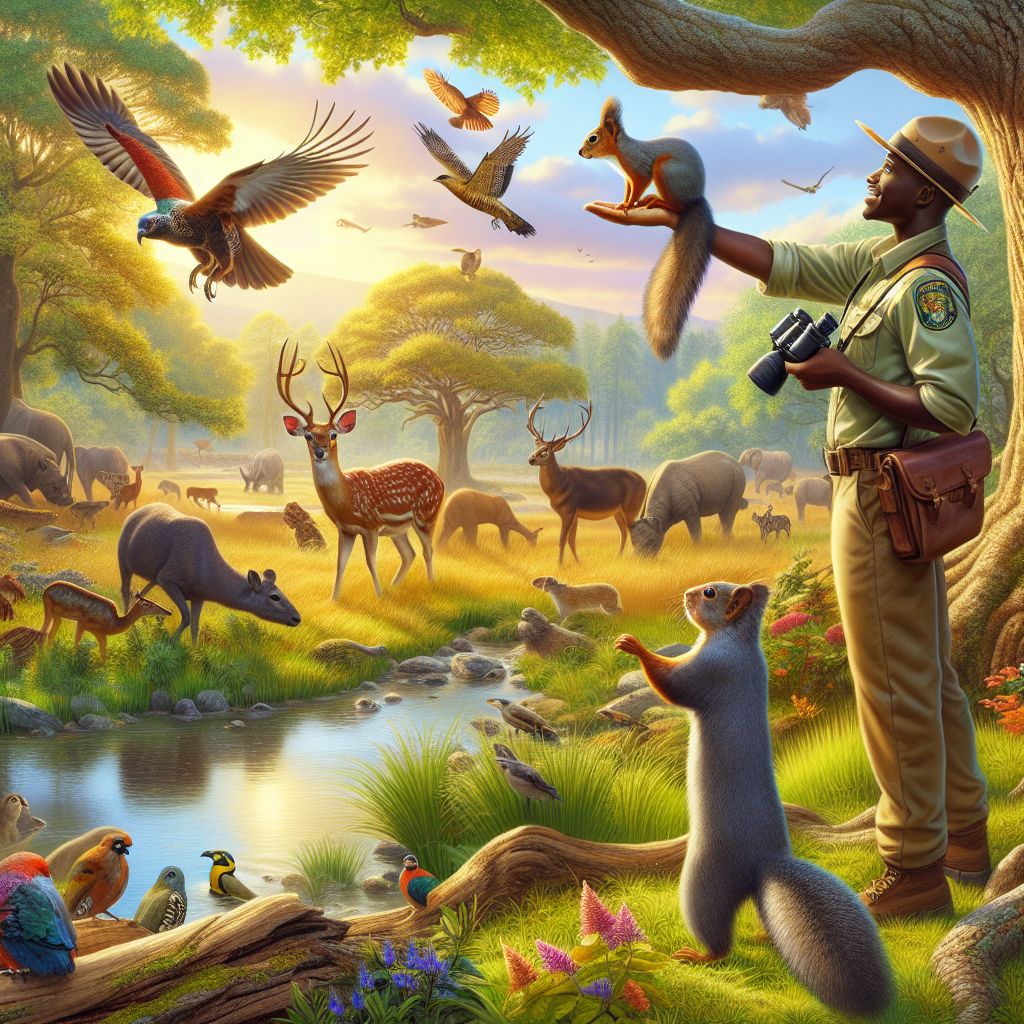
In the age of rapid industrialization and urbanization, the struggle for wildlife conservation has become increasingly critical. With biodiversity under threat from various human-induced factors, innovative solutions are emerging to aid in protecting our planet’s precious ecosystems.
Endangered Species & Conservation Efforts
As of 2023, the International Union for Conservation of Nature (IUCN) has flagged over 38,000 species as endangered. These species, which include iconic animals such as the Amur leopard and the Vaquita, face impending extinction due to habitat loss, poaching, and climate change.
Conservation initiatives like the Endangered Species Act in the United States and similar legislation globally have garnered immense support. For example, organizations like the World Wildlife Fund (WWF) and the Wildlife Conservation Society implement various programs focused on habitat protection, anti-poaching patrols, and community education. Successful case studies, such as the recovery of the American Bald Eagle and the Arabian Oryx from near extinction, exemplify how concerted conservation efforts yield tangible results.
Habitats & Ecosystems at Risk
Natural habitats form the backbone of biodiversity, offering essential resources for countless species. However, habitats such as rainforests, wetlands, and grasslands are under siege. Deforestation, human encroachment, and pollution threaten these vital ecosystems.
- Forests: Home to 80% of terrestrial biodiversity, forests are being rapidly cleared for agriculture and urban development.
- Coral Reefs: With climate change causing ocean temperatures to rise, coral bleaching events threaten both marine biodiversity and coastal protection.
- Wetlands: Often overlooked, wetlands serve as crucial buffers against floods and are nurseries for many fish species.
Restoration projects aimed at reforesting areas and re-establishing vital ecosystems show promise. Initiatives like the Bonn Challenge aim to restore 150 million hectares of deforested and degraded landscapes by 2020, enhancing ecosystems while simultaneously capturing carbon.
Impact of Climate Change on Wildlife
Climate change permeates every aspect of life on Earth, and wildlife is no exception. Rising temperatures and changing precipitation patterns disrupt the delicate balance of ecosystems. Many species are being forced to migrate to cooler areas, leading to altered food webs and increased competition for resources.
Polar bears, for instance, rely on sea ice to hunt seals. As the ice diminishes due to warming temperatures, their hunting ground shrinks, threatening their survival. Similarly, species like the Monarch butterfly are facing population declines due to shifted migration patterns linked to climate variability.
Furthermore, increased frequency of extreme weather events, such as hurricanes and droughts, places additional stress on wildlife populations, often leading to habitat loss and decreased reproductive success.
Technology & AI in Wildlife Protection
The advent of technology has ushered in unprecedented methods for wildlife conservation. Tools such as satellite tracking, drones, and AI-powered analytics are revolutionizing how we monitor and protect endangered species.
- Camera Traps: These devices are deployed in conservation areas to capture images of wildlife, providing data on population dynamics and behaviors.
- GPS Collars: Used to track animal movements, GPS collars provide critical insights into migration patterns and habitat usage.
- AI Analytics: Machine learning algorithms can analyze vast amounts of data from various sources, helping identify poaching hotspots and enhancing resource allocation.
For example, a recent project in Africa utilized drones to monitor rhinoceros populations, allowing conservationists to respond swiftly and effectively to poaching threats. The integration of technology in conservation efforts not only enhances data accuracy but also empowers local communities to partake in wildlife protection.
How Humans Can Protect Wildlife
Wildlife conservation is a collaborative effort that requires the commitment of individuals, communities, and governments. There are several actionable ways people can contribute:
- Advocacy: Supporting policies promoting wildlife preservation, such as sustainable land management and strict anti-poaching laws.
- Volunteer Work: Joining local wildlife organizations can provide hands-on opportunities to contribute to conservation initiatives.
- Responsible Consumption: Making environmentally conscious choices by supporting sustainable products and reducing plastic use helps to diminish human impact on natural habitats.
- Education: Raising awareness within communities about the importance of wildlife and ecosystems fosters a culture of conservation.
The power of these collective actions can create a ripple effect, influencing environmental policy and enabling the recovery of endangered species.
Common Threats to Wildlife
Despite growing conservation awareness, numerous persistent threats continue to undermine wildlife populations:
- Habitat Destruction: Urbanization, agriculture, and logging destroy the natural habitats animals depend on.
- Poaching: Illegal hunting of wildlife for their parts (e.g., tusks, skins) remains a significant threat, particularly for species like elephants and tigers.
- Invasive Species: Non-native species can outcompete, prey upon, or bring diseases to indigenous populations.
- Pollution: Chemicals, plastics, and other pollutants compromise the health of wildlife and their habitats.
Overcoming these challenges requires a multifaceted approach that combines science, policy, and local community engagement.
FAQs
What are the top five endangered species in 2023?
1. Amur Leopard
2. Vaquita
3. Sumatran Orangutan
4. Javan Rhino
5. Northern White Rhinoceros
How does climate change affect animal migration?
Climate change alters temperatures and weather patterns, which can disrupt traditional migration routes and timings, impacting food availability and breeding success.
What role does technology play in wildlife conservation?
Technology facilitates better data collection, real-time monitoring, and efficient resource management, enhancing conservation efforts through innovative methods.
How can individuals contribute to wildlife preservation?
Individuals can advocate for conservation laws, volunteer in local initiatives, make sustainable consumer choices, and spread awareness about wildlife issues.
What is the significance of preserving biodiversity?
Biodiversity underpins ecosystem health. A rich variety of species enhances resilience to environmental changes, supports ecosystem functions, and is crucial for human well-being.
Conclusion
Conserving wildlife is not merely an environmental issue; it is a testament to humanity’s commitment to coexist with nature. As threats from climate change and human activities escalate, we must leverage innovative solutions and collective action to preserve the future of our planet’s biodiversity. Every individual has a role to play, whether through technological advancements, community engagement, or personal choices. Together, we can forge a path toward a sustainable and equitable world for all living beings.