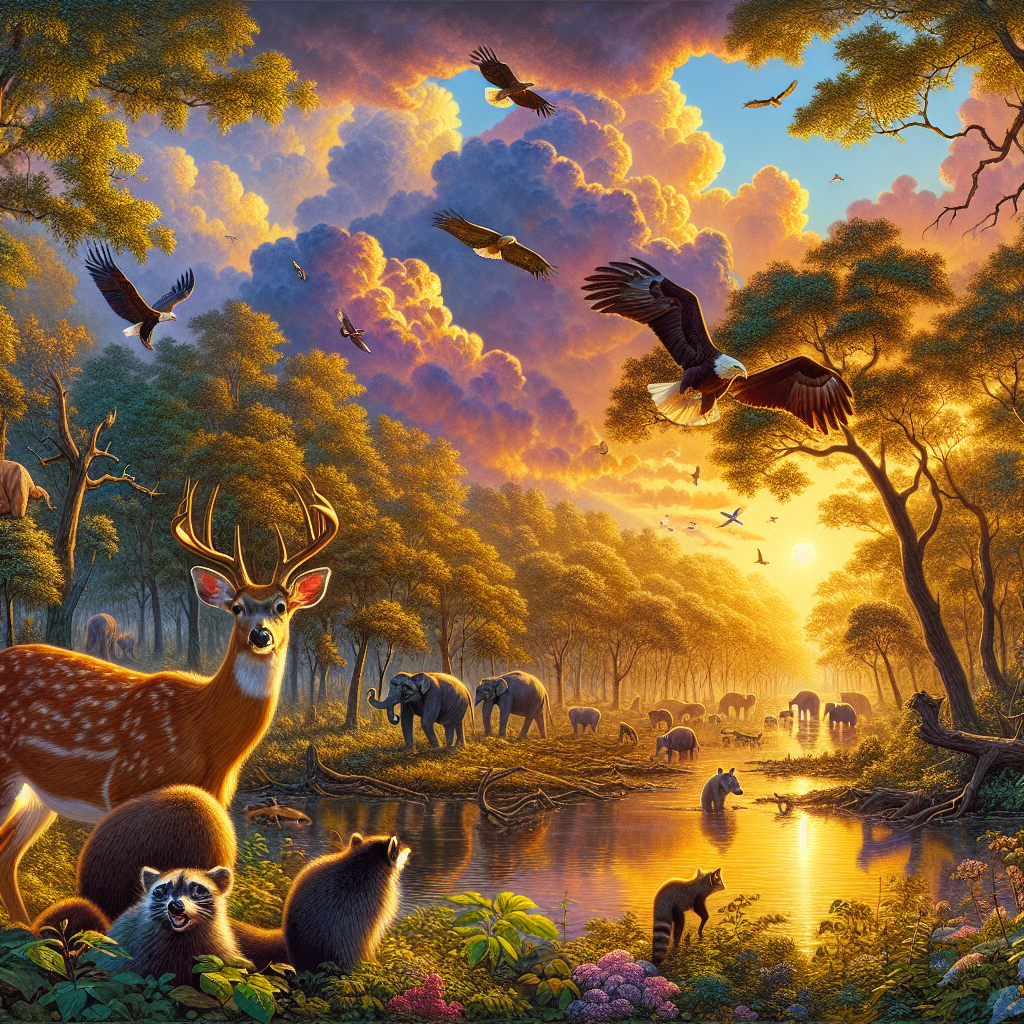
As we embark on a journey to the Tipai Wildlife Resort, let us immerse ourselves in the wonders of wildlife conservation and the exhilarating activities awaiting thrill-seekers and nature enthusiasts alike. Nestled in a pristine natural environment, the resort serves as both an adventure hub and a sanctuary for endangered species. This article explores extraordinary activities, focusing on the crucial aspects of wildlife conservation, natural habitats, and the often-overlooked plight of our planet’s most vulnerable species.
Endangered Species & Conservation Efforts
One of the primary missions of the Tipai Wildlife Resort is to protect endangered species. Across the globe, numerous animals face the specter of extinction due to habitat loss, poaching, and climate change. At Tipai, innovative conservation programs have been implemented to support their survival. Conservationists work tirelessly to rehabilitate wildlife, often focusing on significant species like the African elephant, rhinoceros, and various birds and reptiles that are critically endangered.
- Rehabilitation Programs: These programs aim to rescue injured animals and prepare them for re-entry into their natural habitats.
- Research Initiatives: Ongoing studies are conducted to monitor populations, gather data, and write actionable conservation strategies based on findings.
- Community Engagement: Local communities are educated about the importance of wildlife preservation, providing them with sustainable alternatives to poaching and habitat destruction.
Through these efforts, visitors not only get to witness these magnificent creatures up close but also become part of a larger mission to protect them. Interactive programs allow guests to participate in wildlife rescue and rehabilitation, thereby igniting a sense of responsibility and love for conservation.
Habitats & Ecosystems at Risk
The natural habitats surrounding Tipai Wildlife Resort are as diverse as they are breathtaking. From lush rainforests to expansive savannas, these ecosystems are vital for the myriad of species that call them home. However, these areas are under siege from various threats, including urbanization, deforestation, and agriculture.
- Rainforests: Home to a complex network of flora and fauna, rainforests are the lungs of our planet. At Tipai, ongoing deforestation threatens not only the wildlife but also the very ecosystem services these forests provide.
- Wetlands: Critical for biodiversity, wetlands act as natural water filters. The alarming rate at which these areas are being drained poses serious risks to migratory birds and amphibians.
- Grasslands: Often overlooked, grasslands are crucial habitats for many species. They support an array of plant and animal life and are essential for carbon storage.
At Tipai, educational initiatives aimed at raising awareness about these ecosystems empower visitors to become advocates for their preservation. By promoting responsible tourism, the resort demonstrates that adventure and conservation can coexist harmoniously.
Impact of Climate Change on Wildlife
The effects of climate change on wildlife are becoming increasingly dire. Alterations in weather patterns, rising temperatures, and changing precipitation levels have disrupted many species’ natural cycles. At the Tipai Wildlife Resort, researchers are keenly observing these changes and their implications for local wildlife.
Species such as the snow leopard and polar bear are facing challenges due to melting ice caps, while migratory patterns for birds and fish are shifting rapidly. These changes not only threaten individual species but also compromise entire ecosystems.
- Loss of Habitat: As temperatures rise, many species are forced to migrate to cooler areas, often leading to conflict with human populations.
- Reduced Biodiversity: Climate change can alter food chains, resulting in greater vulnerability for certain species while allowing others to proliferate uncontrollably.
- Increased Human-Wildlife Conflict: As animals encroach upon human settlements looking for food or habitat, conflicts arise, leading to more endangered species and increased retaliatory actions from humans.
Technology & AI in Wildlife Protection
In the fight for wildlife conservation, technology plays an indispensable role. At Tipai, innovative approaches using Artificial Intelligence (AI) and advanced tracking technologies have revolutionized the way species are monitored and protected. These resources not only provide invaluable data but also promote efficient conservation efforts.
- Drone Surveillance: Drones equipped with infrared cameras allow experts to monitor wildlife from the skies, identifying poachers and tracking elusive species without disturbing their natural behavior.
- Smart Collars: These advanced tracking devices provide real-time data on animals’ movements, helping researchers make informed decisions about their conservation strategies.
- AI-Powered Analysis: Large datasets can be analyzed efficiently to detect trends in wildlife populations and predict emerging threats, enabling proactive measures to be taken.
By integrating technology into conservation strategies, Tipai not only showcases the potential for innovative solutions but also inspires other facilities worldwide to follow suit.
How Humans Can Protect Wildlife
As global citizens, we all bear responsibility for the future of wildlife. At Tipai, visitors are encouraged to become active participants in conservation, making a positive impact on the environment. Here are some actionable steps that can be taken:
- Educate Yourself and Others: Knowledge is power. By understanding the challenges faced by wildlife, you can advocate for their preservation.
- Participate in Conservation Programs: Engaging in volunteer activities or eco-tourism programs can provide crucial support for wildlife initiatives.
- Support Sustainable Products: Choose to buy from eco-friendly brands and advocate for responsible purchasing, reducing the demand for products that harm wildlife.
- Reduce Your Carbon Footprint: Simple lifestyle changes, such as using public transportation or reducing water usage, can contribute to efforts to combat climate change.
- Engage with Local Communities: Working closely with communities that live alongside wildlife can support coexistence and minimize conflicts.
Common Threats to Wildlife
Understanding common threats to wildlife is crucial for developing effective conservation strategies. At Tipai, these threats are examined closely to create holistic approaches to wildlife protection.
- Poaching: The illegal hunting of animals for their skins, horns, and other body parts remains one of the most immediate threats to endangered species.
- Habitat Loss: Deforestation and urban sprawl have reduced available habitats, forcing wildlife into smaller, less viable pieces of land.
- Pollution: Chemical pollutants contaminate ecosystems, threatening the health of both flora and fauna.
- Invasive Species: Non-native species can dominate ecosystems, outcompeting local wildlife and altering habitat dynamics.
Addressing these issues requires a collaborative approach, integrating science, community involvement, and technology to forge effective solutions at places like the Tipai Wildlife Resort.
FAQs
1. What types of wildlife can I expect to see at Tipai Wildlife Resort?
Visitors to Tipai can expect to see a diverse range of species, including elephants, deer, various bird species, and reptiles. Guided tours offer insight into the habitats and behaviors of these incredible animals.
2. How does Tipai Wildlife Resort contribute to wildlife conservation?
Tipai engages in extensive conservation efforts, including rehabilitation programs, community education initiatives, and partnerships with research organizations to monitor endangered species and their habitats.
3. Can I participate in conservation activities during my visit?
Absolutely! Tipai offers a variety of interactive programs where visitors can participate in wildlife rehabilitation efforts, educational workshops, and guided conservation activities.
4. What impact does climate change have on wildlife at Tipai?
Climate change affects migration patterns, breeding cycles, and available habitats for various species. Tipai actively monitors these changes to inform conservation strategies and protect local wildlife.
5. How can I help support wildlife conservation outside of my visit to Tipai?
You can support wildlife conservation by sharing information, volunteering for local conservation projects, and making informed purchasing decisions that promote sustainable practices.
Conclusion
Adventure awaits at the Tipai Wildlife Resort, where thrilling activities converge with essential wildlife conservation efforts. By engaging in the various programs and embracing the diversity of natural habitats, visitors play a vital role in preserving the delicate balance between human endeavors and wildlife needs. Together, through awareness and action, we can forge a brighter future for our planet’s endangered species, ensuring that adventure and wildlife coalesce seamlessly in the heart of nature.