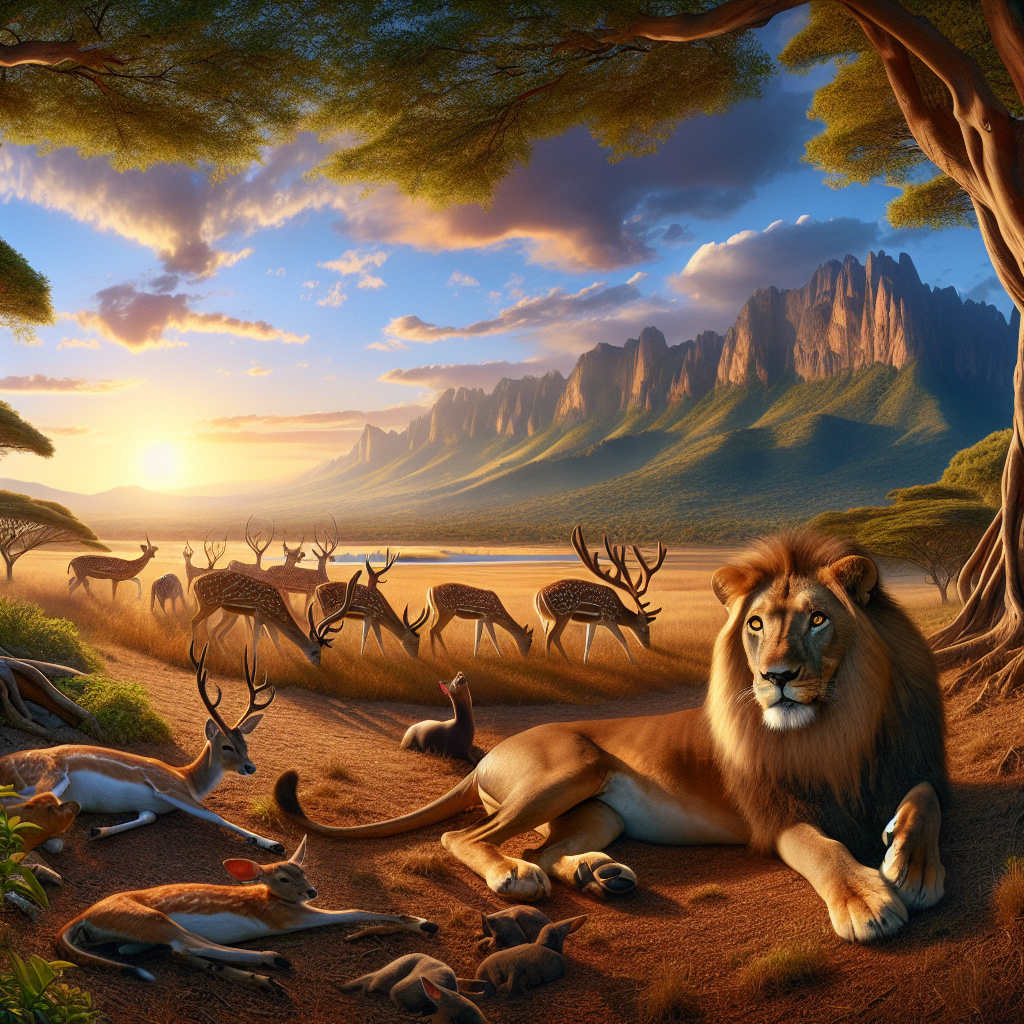
Tipai Wildlife stands as a beacon of hope in the realm of wildlife conservation, merging the quintessential elements of comfort and elegance with the pressing need for biodiversity preservation. Nestled within breathtaking landscapes, it serves not only as a retreat for nature enthusiasts but also as a critical hub for wildlife conservation efforts. Its mission reflects a growing awareness that the future of both nature and humanity depends on how we approach wildlife conservation, endangered species, and the maintenance of natural habitats.
Endangered Species & Conservation Efforts
The plight of endangered species is a poignant reminder of the fragile balance that sustains our ecosystems. Organizations like the International Union for Conservation of Nature (IUCN) continually update their Red List, identifying species at risk of extinction. With the current rate of species decline estimated at 1,000 times the natural background rate, urgent action is needed.
**Tipai Wildlife** is actively involved in the conservation of several endangered species. Its initiatives include breeding programs, habitat restoration projects, and community education. For example, efforts to conserve the Sumatran Tiger have led to the establishment of protected zones crucial for their survival. Similarly, partnerships with local communities have raised awareness about the importance of species preservation, leading to a decline in poaching incidents.
- Big Cats: Alongside the Sumatran Tiger, other big cats such as the African Lion and critically endangered snow leopards are prime focuses of conservation efforts.
- Marine Life: The efforts extend to oceans, where initiatives to save the Hawksbill Turtle involve anti-poaching measures and habitat protection.
- Bird Species: Programs to protect migratory birds have also been set in place, addressing habitat loss along key migratory routes.
Habitats & Ecosystems at Risk
The preservation of natural habitats is fundamental to the survival of species. Tipai Wildlife recognizes that numerous ecosystems, including rainforests, wetlands, and grasslands, are under threat from both human activities and climate change. Deforestation, urban development, and agricultural expansion are some of the main culprits driving habitat loss.
For instance, the destruction of rainforests results not just in the loss of individual species but also disrupts the intricate ecological relationships that exist within these environments. Tipai Wildlife plays an active role in restoring degraded habitats through reforestation initiatives and sustainable land-use practices.
The organization also collaborates with governmental and non-governmental agencies to establish protected areas aimed at safeguarding critical habitats. Educational programs targeted at local communities emphasize the importance of healthy ecosystems as the backbone for both wildlife and human survival.
Impact of Climate Change on Wildlife
Climate change poses a myriad of challenges to wildlife, influencing migration patterns, breeding cycles, and habitat availability. Species that once thrived in stable environments are now grappling with extreme weather events, rising temperatures, and shifting food sources.
At Tipai Wildlife, ongoing research and data collection are integral to understanding how climate change is impacting local wildlife. For example, studies on the migration habits of birds indicate alterations that can disrupt ecological balances. Similarly, temperature fluctuations are impacting breeding times for amphibians, leading to mismatches in life cycles.
One ambitious project involves monitoring temperature-sensitive species, collecting data to assess their adaptive capacities. Further, Tipai Wildlife is a proponent of advocating for climate action as a means to mitigate these disruptive impacts. By engaging local and global communities, they aim to foster a better understanding of the interconnections between climate health and wildlife wellbeing.
Technology & AI in Wildlife Protection
In this age of rapid technological advancement, **Tipai Wildlife** harnesses cutting-edge technologies and artificial intelligence (AI) to bolster its conservation efforts. From camera traps equipped with AI facial recognition to drones for habitat monitoring, the organization is at the forefront of integrating technology into wildlife protection.
For example, AI algorithms analyze large datasets collected from camera traps to identify and monitor species populations efficiently. This technology enables conservationists to track endangered species without disturbing their natural habitats. Furthermore, predictive analytics can guide strategic decisions, such as identifying potential poaching hotspots or assessing the impacts of habitat changes.
Drones are also revolutionizing the way habitats are monitored. Capable of covering vast terrains quickly, drones collect real-time data, allowing for timely intervention in case of environmental threats. This integration of technology ensures that conservation efforts can be more proactive rather than reactive, ultimately leading to more effective outcomes.
How Humans Can Protect Wildlife
Conservation is fundamentally a shared responsibility. There are numerous ways individuals can contribute to wildlife protection. Tipai Wildlife emphasizes education and community engagement, underscoring the importance of active participation in conservation efforts.
- Reduce, Reuse, Recycle: Simple actions like reducing waste can help mitigate habitat destruction caused by pollution.
- Support Conservation Organizations: Donating to or volunteering for wildlife conservation organizations amplifies their efforts.
- Practice Responsible Tourism: When visiting natural habitats, follow guidelines that minimize your footprint.
- Educate Others: Raising awareness about the importance of biodiversity can mobilize more people to take action.
Additionally, advocating for policies that protect wildlife habitats and endangered species can spur governmental and corporate action on a larger scale. Change begins at the grassroots level, making community engagement vital for success in conservation endeavors.
Common Threats to Wildlife
Understanding the common threats to wildlife is crucial for developing effective conservation strategies. Some of the most significant threats include:
- Habitat Loss: Urban development, agriculture, and deforestation have decimated critical habitats.
- Poaching: Illegal hunting for body parts and pets remains a prominent threat to numerous species.
- Pollution: Chemical pollutants and plastics have dire impacts on both land and marine wildlife.
- Climate Change: As discussed, shifts in climate are restructuring ecosystems.
- Invasive Species: Non-native species can outcompete and displace indigenous wildlife, leading to declines in native populations.
Tipai Wildlife addresses these threats through targeted programs, partnerships with local communities, and innovative approaches. By raising awareness about these issues, the organization empowers individuals and communities to take action against the factors that threaten their wildlife heritage.
FAQs
-
What is the primary focus of Tipai Wildlife?
Tipai Wildlife focuses on the conservation of endangered species, habitat restoration, and fostering human-wildlife coexistence.
-
How does climate change affect wildlife?
Climate change impacts wildlife through altered migration patterns, breeding cycles, and habitat loss, leading to possible extinction for some species.
-
What role does technology play in wildlife conservation?
Technology, including AI and drones, enables better monitoring of wildlife populations and habitats, leading to more effective conservation measures.
-
How can individuals support wildlife conservation efforts?
Individuals can actively reduce waste, engage in responsible tourism, support conservation organizations, and advocate for wildlife protections.
-
What are the common threats to wildlife?
Common threats include habitat loss, poaching, pollution, climate change, and invasive species that can disrupt local ecosystems.
Conclusion
The essence of Tipai Wildlife lies in the harmonious blend of elegance and impact. As a sanctuary of conservation, it embodies the belief that human well-being and wildlife preservation can go hand in hand. As we face global challenges such as climate change and biodiversity loss, the work being done at Tipai Wildlife serves as an inspiring model for how conservation, education, and community involvement can create a sustainable future for both nature and humanity.
By continuing to advocate for endangered species and protecting fragile ecosystems, we take important steps toward safeguarding our planet’s rich biological heritage for generations to come. It is an urgent call for action, one that beckons us all to be stewards of the Earth.