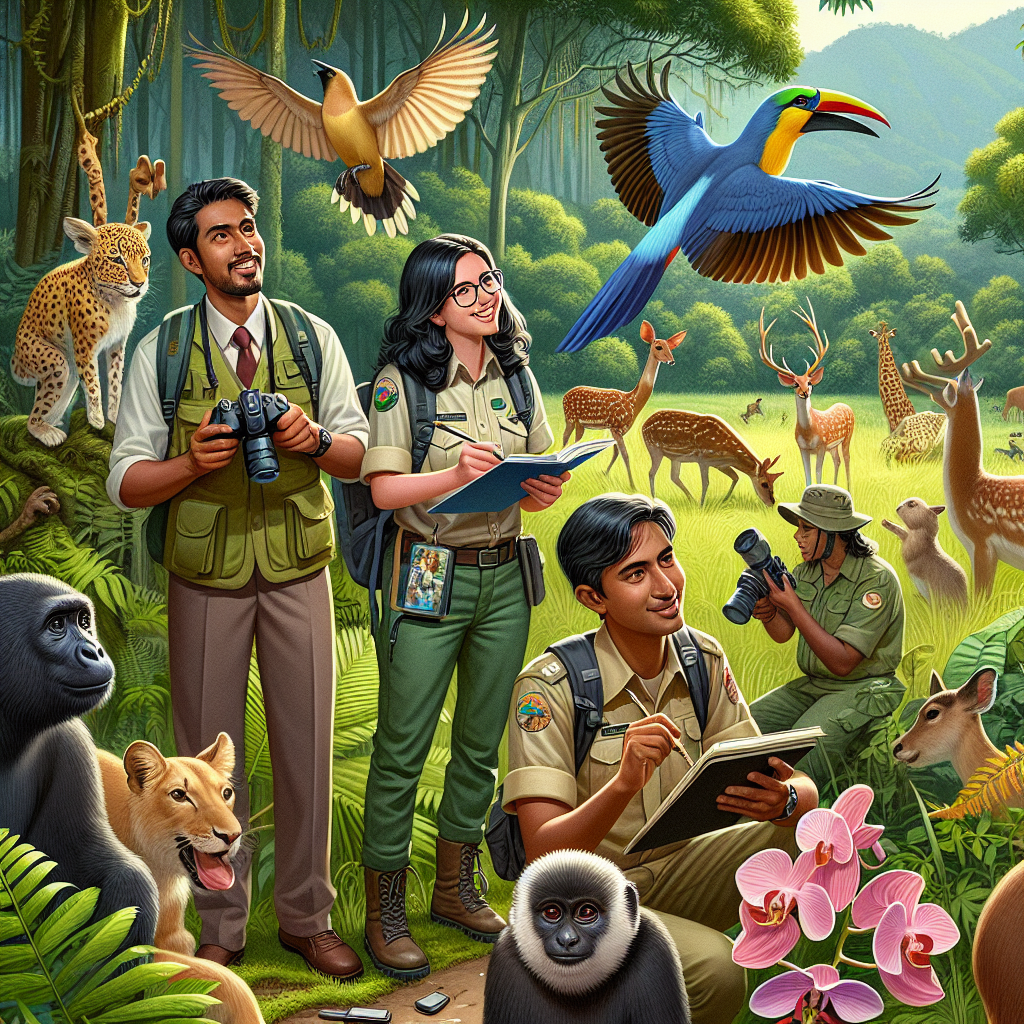
Nature: A Canvas of Ingenious Structures
Throughout the ages, wildlife has exhibited remarkable engineering abilities that create intricate structures across various ecosystems. From the impressive skyscrapers built by termites to the intricate webs spun by spiders, these structures serve crucial purposes, showcasing nature’s infinite creativity and adaptability. Not only do they provide shelter and nurturing grounds for countless species, but they also play significant roles in regulating ecosystems. Understanding these structures is not just an exercise in appreciation; it opens up discussions surrounding conservation, the risks facing habitats, and the methodologies employed to safeguard wildlife in an ever-evolving climate.
Endangered Species & Conservation Efforts
Conservation efforts focus on protecting endangered species that play pivotal roles in maintaining ecological balance. Species such as the Amur leopard, with fewer than 100 individuals remaining in the wild, and the vaquita, a critically endangered porpoise, exemplify the urgent need for action in the realm of wildlife preservation.
- Amur Leopard: This elusive cat, found in the temperate forests of the Russian Far East, faces threats from habitat loss and poaching. Conservationists aim to create protected areas and implement anti-poaching measures to bolster their population.
- Vaquita: The world’s rarest marine mammal, the vaquita, faces extinction due to illegal fishing practices. Conservation efforts include stricter regulations and alternative fishing methods to help restore its population.
Globally, conservation strategies often weave together dedicated research, habitat restoration, and community involvement. Organizations utilizing innovative technologies and grassroots campaigns are crucial in these initiatives, illustrating the power of collective action in wildlife conservation.
Habitats & Ecosystems at Risk
The most intricate wildlife structures are often inseparable from the habitats they adorn. Forests, wetlands, oceans, and grasslands all provide unique environmental benefits, such as carbon sequestration and biodiversity support. Yet, these habitats face unprecedented threats from human activity and climate disruption.
- Coral Reefs: A critical ecosystem home to countless aquatic species, coral reefs are suffering from ocean acidification and rising temperatures. Efforts are underway to restore these underwater structures while maintaining biodiversity.
- Rainforests: Often referred to as the lungs of the Earth, rainforests are vital for carbon storage but are rapidly diminishing due to agricultural expansion and logging.
Protecting these risk-filled habitats is essential for sustaining not only individual species but also for maintaining robust ecosystems that benefit human existence. Collaborative global efforts will be vital in safeguarding these areas to ensure that future generations can continue to marvel at the wonders of nature’s architects.
Impact of Climate Change on Wildlife
Climate change presents multifaceted challenges to wildlife and their habitats. Alterations in temperature and weather patterns disrupt migration, breeding seasons, and food availability. For instance, polar bears are losing ice habitats that they depend on for hunting due to diminishing sea ice, leading to a drastic survival crisis as their territory encroaches upon human populations.
- Temperature Rise: Many species are unable to adapt quickly enough to temperature shifts, leading to declines in their populations and biodiversity loss.
- Natural Disasters: Increased frequency and intensity of hurricanes, wildfires, and droughts further stress wildlife populations and can devastate critical habitats.
As climate change continues its relentless advance, the intersection of animal behavior, adaptation, and conservation strategies will require innovative and adaptive approaches tailored to diverse ecosystems and species.
Technology & AI in Wildlife Protection
The marriage of technology and wildlife conservation is radically changing the landscape of environmental protection, ensuring a more systematic approach to safeguarding endangered species and habitats. Artificial Intelligence and remote monitoring tools are becoming indispensable in tracking wildlife populations, detecting poaching activities, and modeling the effects of environmental change.
- Drone Surveillance: Drones are utilized to patrol extensive areas that are otherwise difficult to access, providing real-time data on wildlife movements and poaching attempts.
- AI Analytics: Advancements in AI algorithms help process vast amounts of data to predict animal behaviors, leading to proactive conservation strategies.
Through these technological advancements, wildlife conservationists can act swiftly and effectively, ensuring that intervention measures can be deployed as needed. The collaboration between technology and terrestrial and aerial wildlife monitoring is reshaping the future of conservation efforts globally.
How Humans Can Protect Wildlife
Human involvement in wildlife protection is paramount. Individuals can take action in multiple capacities to support wildlife conservation and help rebuild ecosystems. Here are several recommendations for proactive involvement:
- Advocate for Sustainable Practices: Support companies and practices that are committed to sustainability, reducing environmental footprints and fostering biodiversity.
- Participate in Local Conservation Efforts: Engage with local wildlife organizations and participate in conservation activities, from tree planting to habitat restoration.
- Educate Others: Share knowledge about the importance of wildlife conservation and encouraged sustainable habits among friends, family, and community members.
- Responsible Tourism: When traveling, choose eco-friendly options that prioritize conservation and support local communities that protect wildlife.
By embedding conservation into our daily lives and decisions, each individual can play a vital role in preserving the delicate balance of our planet’s ecosystems.
Common Threats to Wildlife
Despite numerous efforts to protect and sustain wildlife, many threats loom large over global ecosystems. The most pressing of these include:
- Habitat Loss: Driven chiefly by urbanization and agricultural expansion, habitat fragmentation threatens the survival of numerous species.
- Pollution: Chemical pollutants and plastic waste infiltrate diverse ecosystems, posing significant health risks to wildlife.
- Climate Change: As previously discussed, climate change and its effects on habitats create challenges for countless species, leading to complex survival issues.
- Illegal Poaching: Poaching for ivory, fur, and other animal products remains a significant driver of decline in many wildlife populations.
Addressing these threats requires coordinated global efforts and heightened awareness, as failure to act could lead to irreversible losses in biodiversity.
FAQs
What are some examples of wildlife architects?
Animals like beavers, termites, and coral polyps exhibit remarkable architectural skills by building dams, mounds, and reefs, respectively.
Why is wildlife conservation important?
Wildlife conservation preserves biodiversity, protects natural habitats, and enhances ecosystem services that are essential for human survival.
How does climate change affect animal behavior?
Climate change alters migration patterns, breeding seasons, and food availability, forcing many species to adapt or face extinction.
What role does technology play in protecting wildlife?
Technology, such as drones and AI, enhances monitoring, data collection, and real-time intervention strategies, improving conservation efforts.
How can individuals contribute to wildlife protection?
Individuals can support sustainable practices, volunteer for local conservation efforts, educate others, and adopt responsible tourism habits.
Conclusion
Nature’s architects inspire awe with their brilliant designs, providing vital habitats that support countless species. As young generations emerge with a commitment to preserving the intricate balance of ecosystems, the imperative to protect wildlife becomes ever more urgent. Embracing technological advancements while cultivating human-steered conservation actions can lead the way toward a brighter, more sustainable future for the planet and its myriad inhabitants. By celebrating and safeguarding wildlife structures, we not only acknowledge nature’s remarkable engineering capabilities but also our shared responsibility to protect the intricate web of life on Earth.