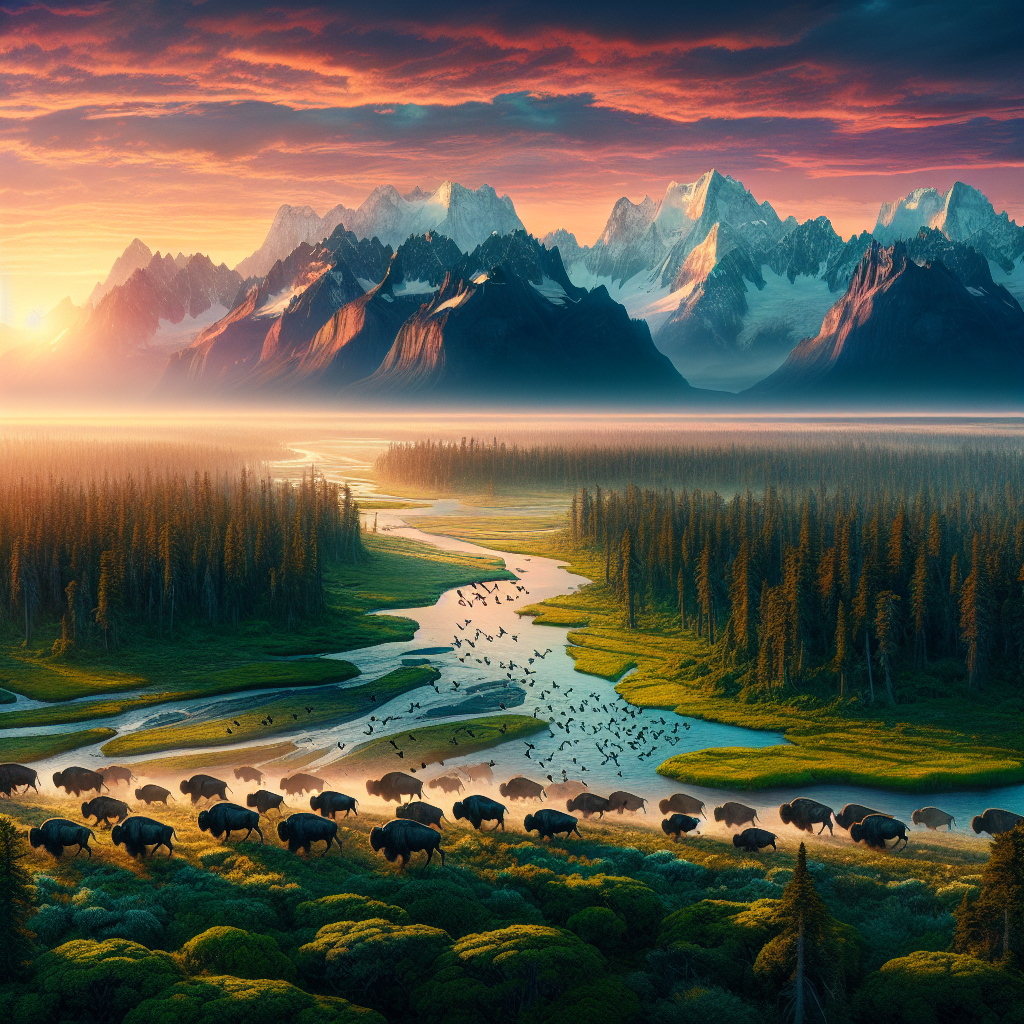
Wildlife in 2026: Current Global Scenario
As we enter the year 2026, the global wildlife landscape presents a daunting challenge. Current statistics indicate that nearly one million species face the threat of extinction, a crisis propelled by habitat destruction, pollution, and climate change. The extinction of a species is not merely a statistic; it represents a loss of biodiversity that can destabilize entire ecosystems, affecting both flora and fauna.
Over the last few years, initiatives for wildlife conservation have gained momentum, yet the need for immediate action has never been greater. The Wildlife Day 2026 campaign aims to galvanize global awareness and commitment to safeguarding endangered species. This initiative emphasizes collaboration among governments, NGOs, and individuals to create actionable steps towards conservation.
Endangered Species & Conservation Efforts
The term “endangered species” refers to animals and plants that are at risk of extinction. Organizations such as the International Union for Conservation of Nature (IUCN) and various grassroots movements have dedicated substantial resources and research to protect these vulnerable species. The IUCN Red List categorizes species based on their extinction risk, raising awareness and encouraging preservation efforts.
Among the most at-risk species include the Amur leopard, the Sumatran orangutan, and the Vaquita porpoise. Specific conservation efforts for these species have shown promising results. For example, dedicated wildlife corridors are being established to connect isolated habitats, allowing for genetic diversity which is vital for survival.
- Legal Protection: Laws prohibiting poaching and illegal trade.
- Habitat Restoration: Reforesting areas to restore natural habitats.
- Community Engagement: Local communities are educated and involved in conservation efforts.
The Wildlife Day 2026 campaign will further elevate these initiatives by drawing global attention to the plight of endangered species, showcasing successful case studies, and facilitating partnerships aimed at conservation.
Habitats & Ecosystems at Risk
Natural habitats are not merely geographical locations; they are intricate systems that host a variety of species and ecological functions. Critical ecosystems such as rainforests, wetlands, and coral reefs are under siege from urban development, climate change, and pollution. The destruction of these habitats doesn’t just threaten the species that rely on them; it also destabilizes the broader environmental balance that sustains life on Earth.
Wildlife Day 2026 seeks to address these critical issues by promoting conservation success stories that highlight the importance of habitat preservation. By showcasing how local conservation projects contribute to global biodiversity, the campaign aims to inspire collective action. The restoration of habitats such as the Amazon rainforest stands to benefit countless species, demonstrating that human intervention can yield significant ecological recovery.
Impact of Climate Change on Wildlife
Climate change poses unprecedented challenges for wildlife. Rising temperatures disrupt migration patterns, alter breeding seasons, and result in habitat loss. Species such as the mountain pine beetle and polar bears are showing the profound impacts of these climatic shifts, resulting in cascading effects across entire ecosystems.
The Wildlife Day 2026 initiative recognizes the critical intersection of climate change and biodiversity. Campaigns focused on climate literacy will be essential to fostering understanding among the public about the role of wildlife in maintaining ecological balance. Reducing carbon footprints, supporting sustainable practices, and advocating for policies that prioritize environmental health will be integral components of this movement.
Technology & AI in Wildlife Protection
In the digital age, technology plays a transformative role in wildlife conservation. Innovations such as drone surveillance, camera traps, and satellite imagery allow researchers and conservationists to monitor wildlife populations and their habitats effectively. These tools provide real-time data, enabling more informed decisions regarding conservation strategies.
Moreover, Artificial Intelligence (AI) is revolutionizing wildlife protection. Machine learning algorithms can analyze vast amounts of data to identify patterns related to species behavior, predict poaching risks, and assess habitat health. The Wildlife Day 2026 campaign aims to spotlight these technological advancements while advocating for continued investment in research and development.
- Remote Sensing: Tracking temperature and vegetation changes over time.
- Smart Collars: Monitoring the movements and health of animals like elephants and wolves.
- Data Analytics: Using big data to drive policy decisions and conservation efforts.
How Humans Can Protect Wildlife
Human beings have a pivotal role to play in wildlife protection. A sense of responsibility towards the natural world is essential for fostering coexistence. Here are several ways individuals and communities can contribute to wildlife conservation:
- Advocate for Conservation Policies: Engage in discussions about local and global conservation laws and support legislation that protects endangered species.
- Participate in Local Initiatives: Involvement in local clean-up efforts, tree planting, or community education can make a significant difference.
- Practice Sustainable Living: Reduce consumption, recycle, and advocate for sustainable practices in your community.
- Support Conservation Organizations: Donations and volunteer work with NGOs dedicated to wildlife preservation can amplify their impact.
Effective wildlife conservation requires a multi-faceted approach, integrating policy, community efforts, and personal responsibility. The 2026 campaign seeks to empower individuals to take initiative in their communities, fostering a culture of conservation and respect for nature.
Common Threats to Wildlife
Understanding the threats faced by wildlife is critical for effective conservation strategies. The following are some of the most pressing challenges:
- Habitat Loss: Urbanization and deforestation lead to the destruction of natural habitats, threatening species survival.
- Poaching: The illegal hunting of wildlife for body parts like ivory and fur remains a significant threat.
- Pollution: Chemicals and waste in the environment can be deadly for numerous species, particularly aquatic life.
- Invasive Species: Non-native species can disrupt local ecosystems and outcompete indigenous wildlife.
- Climate Change: Changing weather patterns and extreme events profoundly affect wildlife habitats and species behavior.
FAQs
Q: What is Wildlife Day 2026?
Wildlife Day 2026 is a global initiative aimed at raising awareness and fostering action for the protection of endangered species and their habitats.
Q: How can I get involved in wildlife conservation?
Individuals can participate by advocating for conservation policies, volunteering with local organizations, and practicing sustainable living.
Q: Why is it important to protect endangered species?
Protecting endangered species is essential for maintaining biodiversity, which is critical for ecosystem stability and human survival.
Q: What role does technology play in wildlife protection?
Technology, including AI and remote sensing, greatly enhances wildlife monitoring and data collection, enabling more effective conservation strategies.
Q: How does climate change affect wildlife?
Climate change impacts migration patterns, breeding seasons, and habitats, making it increasingly difficult for many species to survive.
Conclusion
As we approach Wildlife Day 2026, the call to action for wildlife conservation has never been more urgent. The challenges are formidable, yet the potential for change lies within our collective hands. Through technology, education, and community engagement, we can foster a future where endangered species thrive, ecosystems flourish, and human-wildlife coexistence is the norm rather than the exception.
The legacy of Wildlife Day 2026 aims to inspire and mobilize individuals to become stewards of the natural world, safeguarding the planet’s rich biodiversity for generations to come. Embrace this moment, and let us work together towards a sustainable future, committed to protecting our invaluable wildlife and habitats.