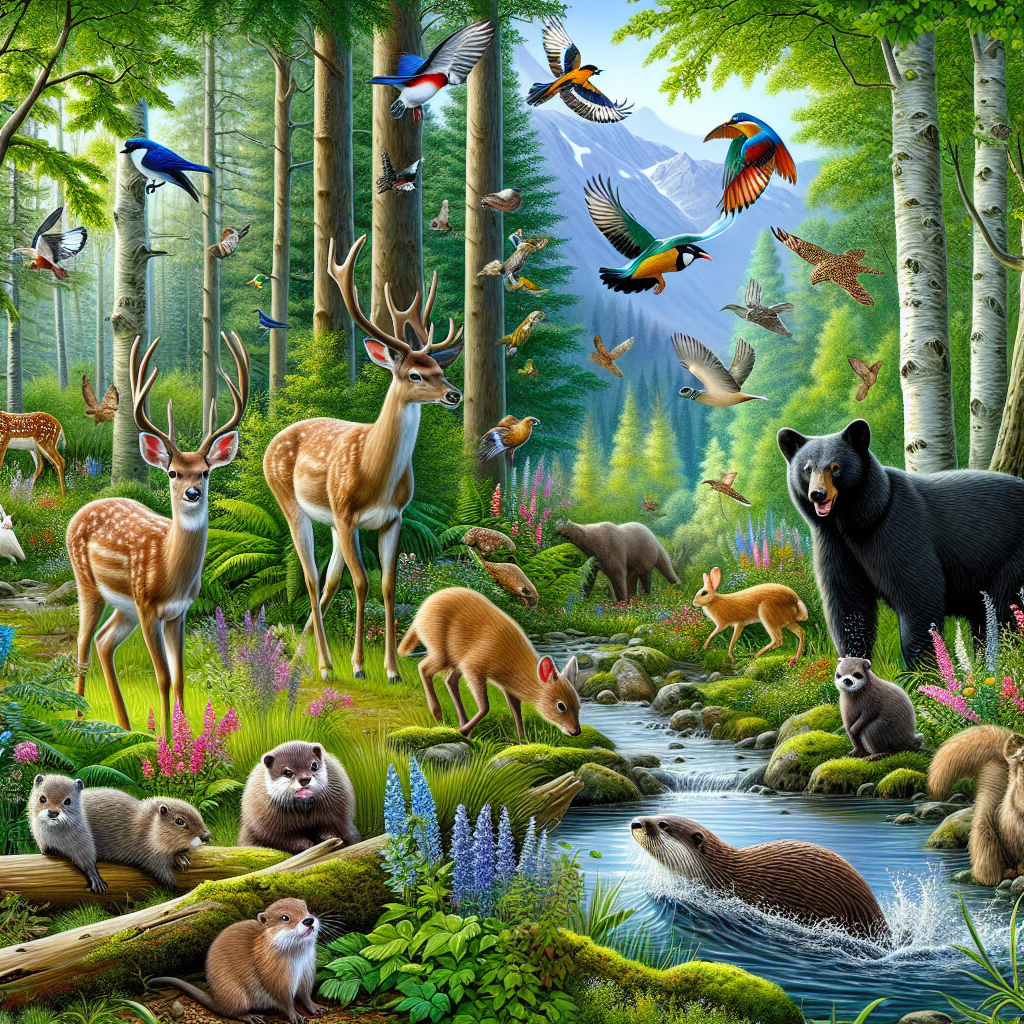
Nocturnal wildlife often goes unnoticed, lurking in the shadows while most human activities take place during daylight hours. However, these creatures, from the agile bat to the elusive owl, play pivotal roles in their ecosystems. Understanding their function and the challenges they face is essential for wildlife conservation, especially in the context of increasing endangerment and habitat loss. This article delves into fascinating facts about nocturnal creatures while addressing the urgent need for conservation efforts and human coexistence with these magnificent beings.
Endangered Species & Conservation Efforts
Many nocturnal species are facing severe threats due to habitat destruction, climate change, and human activities. Notable examples include the Hawksbill Turtle, which has been driven to the brink of extinction due to illegal poaching and habitat degradation. Conservation efforts aim to protect these endangered species through legal frameworks, habitat restoration, and community awareness.
Organizations like the World Wildlife Fund (WWF) and the International Union for Conservation of Nature (IUCN) are actively engaged in preserving these nocturnal species. For instance, initiatives focusing on habitat protection have helped increase the populations of certain owls and bats by creating safe environments where they can thrive.
- Global Legal Protections: Various international treaties and local laws are in place to protect nocturnal species from exploitation.
- Habitat Restoration: Efforts to revive degraded ecosystems are crucial for many species’ survival.
- Community Engagement: Educating the public about the significance of these species encourages local stewardship and conservation actions.
The plight of endangered nocturnal creatures serves as a wake-up call for communities and governments alike, emphasizing the need for ongoing conservation efforts if we aim to preserve our planet’s rich biodiversity.
Habitats & Ecosystems at Risk
Nocturnal wildlife primarily inhabits diverse ecosystems, ranging from dense forests to arid deserts. Each habitat provides specific resources necessary for survival. Unfortunately, many of these ecosystems are under siege from urbanization, deforestation, and agricultural expansion.
Take the rainforest as an example; home to various species such as the Kiwi and numerous bats, these biodiverse zones are diminishing at an alarming rate. The destruction of these habitats not only endangers its resident species but also exacerbates climate change and disrupts global weather patterns.
- Forests: Vital for species like the red panda and countless insects, they offer shelter, food, and nesting sites.
- Wetlands: Home to many amphibians and nocturnal birds, wetlands are crucial for maintaining water quality and attending to biodiversity.
- Urban Environments: Surprisingly, cities can also be habitats for some nocturnal species, adapted to human-altered landscapes.
To protect these ecosystems effectively, conservationists advocate for sustainable practices that minimize human impact while preserving vital wildlife habitats.
Impact of Climate Change on Wildlife
Climate change represents one of the most significant threats to wildlife globally, particularly to nocturnal species that rely heavily on specific habitats and conditions for their survival. Fluctuations in temperature, altered precipitation patterns, and changing food availability can significantly disrupt their life cycles.
For instance, rising temperatures are causing a shift in the ranges of many species, pushing them further north or to higher altitudes. This displacement can lead to increased competition for resources and habitat loss. Additionally, shifts in nocturnal feeding patterns are observable in species such as the timber rattlesnake, which is becoming more active during the day due to climate-induced changes in its environment.
- Altered Food Chains: Changes in species’ migration patterns can affect predator-prey dynamics, endangering some nocturnal species.
- Habitat Loss: As wetlands flood and forests dry out, critical habitats become uninhabitable for many creatures.
- Increased Human-Wildlife Conflict: Climate-induced migration can lead to more encounters between wildlife and humans, often resulting in adverse outcomes for both parties.
Effective conservation strategies must adapt to the realities imposed by climate change, incorporating flexibility and resilience into wildlife protection efforts.
Technology & AI in Wildlife Protection
The dawn of technology and artificial intelligence (AI) has opened new avenues for wildlife conservation. From using drones for surveillance to employing AI for species identification, technology is becoming integral to protecting nocturnal wildlife.
AI-driven tools can analyze vast amounts of data much faster than humans. This capability enables conservationists to track animal movements, predict behaviors, and even identify new species through advanced image recognition technologies.
- Drones: Used for aerial surveys to monitor animal populations and track illegal poaching activities in remote areas.
- Camera Traps: These devices capture images of nocturnal wildlife, providing valuable data on species distribution and behavior.
- Data Analytics: By utilizing big data, researchers can identify patterns and trends that inform conservation strategies.
As technology continues to evolve, it will play an increasingly vital role in monitoring wildlife health, safeguarding endangered species, and ensuring the longevity of ecosystems.
How Humans Can Protect Wildlife
Human involvement is crucial to the survival of nocturnal wildlife. By adopting responsible practices and policies, individuals can contribute to the well-being of these creatures and their habitats.
- Educate Yourself & Others: Understanding the importance of nocturnal wildlife can drive community efforts to protect these species.
- Reduce Light Pollution: Minimizing artificial light at night helps maintain natural behaviors in nocturnal creatures, which rely on darkness to hunt and communicate.
- Support Conservation Organizations: Contributing financially or volunteering for conservation groups can amplify recovery efforts.
- Promote Sustainable Practices: Select eco-friendly products, support sustainable agriculture, and encourage conservation in your community.
By committing to these practices, humans can create a harmonious environment where both people and wildlife thrive.
Common Threats to Wildlife
Many factors threaten nocturnal wildlife, ranging from direct human actions to environmental changes. Understanding these threats is the first step toward effective mitigation.
- Habitat Destruction: Urban development and agriculture fragment habitats, isolating species and making it difficult for them to find mates.
- Pollution: Chemicals and waste products can poison animals and degrade their habitats, rendering them unsuitable for life.
- Climate Change: As discussed previously, climate change disrupts ecosystems and variation in local climates can lead to biodiversity loss.
- Poaching and Illegal Trade: Many nocturnal species are hunted for traditional medicine or exotic pets, leading to population declines.
Awareness and action are crucial to addressing these threats and protecting the delicate balance of our planet’s ecosystems.
FAQs
What are nocturnal animals?
Nocturnal animals are species that are active primarily during the night and rest during the day. They have adapted behaviors and physical traits that help them navigate and hunt in low-light conditions.
Why are many nocturnal animals endangered?
Many nocturnal animals are endangered due to habitat destruction, climate change, pollution, and poaching. Their specialized lifestyles often make them particularly vulnerable to environmental changes.
How does light pollution affect nocturnal wildlife?
Light pollution disrupts the natural rhythms of nocturnal wildlife, affecting feeding, mating, and migration patterns. It can cause disorientation and even increase predation risk.
What role does biodiversity play in ecosystems?
Biodiversity ensures ecosystem resilience, providing stability and a balance of food chains. A diverse range of species contributes to nutrient cycling, pollination of plants, and overall ecosystem health.
How can technology assist in wildlife conservation?
Technology such as satellite tracking, drone surveillance, and AI-powered data analysis can aid in monitoring wildlife populations, understanding behavior patterns, and implementing protection strategies more effectively.
Conclusion
Nocturnal wildlife plays a critical role in maintaining ecological balance and contributing to biodiversity. However, as habitats shrink and climate change accelerates, the importance of comprehensive wildlife conservation strategies has never been more urgent. By investing in education, utilizing advanced technologies, and fostering a sense of responsibility toward our natural world, we can pave the way for a future where both humans and nocturnal creatures coexist peacefully. Through collective action and awareness, we can ensure that the fascinating creatures of the night continue to thrive for generations to come.