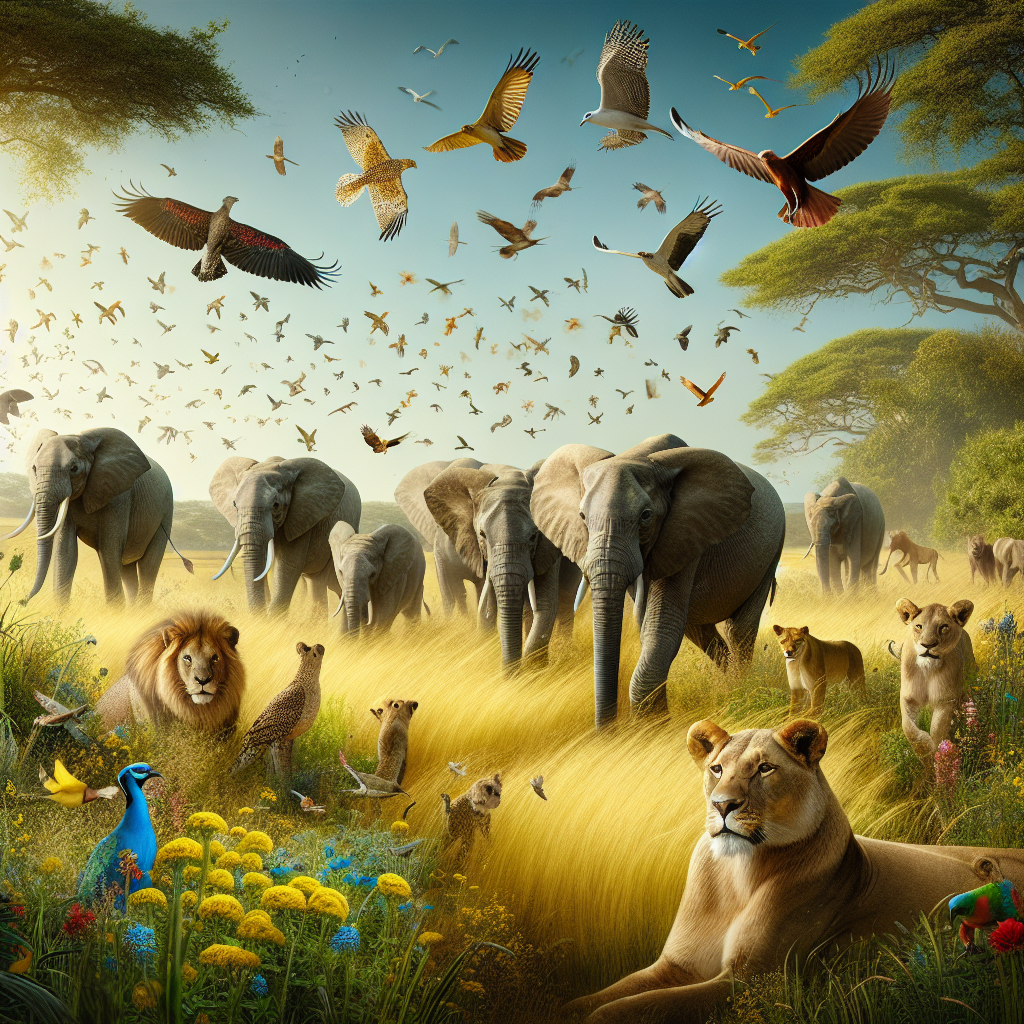
Discover the Untamed Beauty: A Journey Through Tipai Wildlife Resort
Nestled amidst verdant landscapes and vibrant ecosystems, Tipai Wildlife Resort stands as a testament to the beauty and fragility of our natural world. This haven is not just a sanctuary for wildlife; it is a vital space that fosters conservation efforts for endangered species, promotes human-wildlife coexistence, and highlights the pressing issues facing our ecosystems today. This article delves deeply into the various aspects of wildlife conservation and the invaluable role of technology in protecting our planet’s biodiversity.
Endangered Species & Conservation Efforts
The plight of endangered species is a pressing issue that resonates throughout global conservation movements. The Tipai Wildlife Resort has become a beacon for numerous initiatives aimed at protecting these vulnerable populations. Endangered species, such as the Sundarbans tiger and the Indian rhinoceros, find their refuge in this wildlife resort, where rigorous conservation efforts are in place.
- Community Engagement: The resort engages local communities in conservation efforts, raising awareness about the importance of preserving biodiversity.
- Research Initiatives: It actively sponsors research programs focusing on the behavior and habitat needs of endangered species, which are crucial in tailoring conservation strategies.
- Rescue and Rehabilitation: Tipai Wildlife Resort collaborates with wildlife rescue organizations to rehabilitate injured or orphaned wildlife, ensuring their safe return to natural habitats.
Through such efforts, the resort not only conserves endangered species but also empowers local communities with knowledge and resources, thus creating a sustainable model for conservation.
Habitats & Ecosystems at Risk
At the heart of conservation lies the preservation of habitats and ecosystems that provide homes to countless species. The landscapes surrounding Tipai Wildlife Resort comprise dense forests, wetlands, and grasslands, each teeming with life. However, these habitats face unprecedented threats from human activities, including deforestation, urbanization, and pollution. The resort plays a critical role in safeguarding these ecosystems by:
- Habitat Restoration: Engaging in reforestation projects and wetland restoration, the resort aims to revitalize degraded ecosystems.
- Wildlife Corridors: The establishment of wildlife corridors ensures uninterrupted migration routes, enabling healthy genetic diversity among populations.
- Monitoring and Evaluation: Continuous research and monitoring of ecological health provide invaluable data for adaptive management strategies.
By addressing these threats and promoting habitat preservation, Tipai Wildlife Resort stands as a guardian of ecological integrity.
Impact of Climate Change on Wildlife
Climate change poses a formidable challenge to wildlife across the globe. Rising temperatures, erratic weather patterns, and shifting ecosystems disrupt the delicate balance that sustains life. At Tipai Wildlife Resort, the impacts of climate change are felt vividly. Species are forced to adapt, migrate, or face extinction. Key observations include:
- Species Migration: Many animals are relocating to cooler regions, which can lead to conflicts with existing wildlife and habitats.
- Shifts in Breeding Patterns: Altered climatic conditions affect reproduction cycles, impacting population dynamics.
- Invasive Species: Warmer temperatures allow invasive species to thrive, outcompeting native flora and fauna.
Understanding these impacts is crucial for implementing effective strategies that mitigate climate change’s influence on wildlife.
Technology & AI in Wildlife Protection
As we venture further into the 21st century, technology plays an increasingly significant role in wildlife conservation. The integration of artificial intelligence (AI) and advanced technologies at Tipai Wildlife Resort has revolutionized conservation methodologies:
- Remote Sensing: Satellite imagery and drone technology enable conservationists to monitor land use changes and habitat fragmentation from above.
- AI in Wildlife Tracking: Innovative tracking systems using AI help scientists study animal movements and behaviors in real-time, providing invaluable data for conservation efforts.
- Smart Cameras for Poacher Detection: AI-powered camera systems can differentiate between humans and animals, sending alerts when unauthorized human activities are identified.
This technological advancement enhances decision-making processes, ensuring that conservation strategies are data-driven and efficient.
How Humans Can Protect Wildlife
Every individual has a role to play in wildlife protection. At Tipai Wildlife Resort, education and advocacy are central to fostering a culture of conservation. Here are some actions that individuals can take:
- Educate Yourself and Others: Understanding the importance of biodiversity and the threats wildlife face is crucial. Share this knowledge within your community to elevate awareness.
- Promote Sustainable Practices: Encourage sustainable tourism, responsible consumption, and eco-friendly practices that reduce human impact on the environment.
- Volunteer for Conservation Projects: Participating in local conservation initiatives provides hands-on experience that benefits both wildlife and communities.
- Support Wildlife Organizations: Donate or volunteer with organizations dedicated to wildlife conservation, offering essential resources for ongoing efforts.
By taking these steps, individuals can contribute significantly to protecting the planet’s biodiversity.
Common Threats to Wildlife
Despite concerted conservation efforts, wildlife continuously faces a myriad of threats that jeopardize their existence. Identifying these dangers is the first step in combating them:
- Habitat Loss: Urban development, agriculture, and logging lead to the destruction of natural habitats.
- Poaching: Illegal hunting and trafficking of wildlife for their body parts pose severe risks to numerous species.
- Pollution: Chemical pollutants, plastics, and pesticides contaminate ecosystems, adversely affecting wildlife health.
- Climate Change: As previously mentioned, the impacts of climate change disrupt ecosystems and threaten species adaptation.
- Invasive Species: Non-native species can outcompete local animals for resources, leading to significant declines in native populations.
Recognizing these threats empowers communities and individuals to unite in the pursuit of preservation and conservation.
FAQs
What is the role of Tipai Wildlife Resort in conservation?
Tipai Wildlife Resort engages in various conservation efforts, including habitat protection, research initiatives, and community education programs designed to support endangered species.
How can technology aid in wildlife conservation?
Technology aids conservation by providing tools for monitoring wildlife, tracking movements, and analyzing data to inform conservation strategies, which enhances traditional methods.
What types of ecosystems are found at Tipai Wildlife Resort?
The resort encompasses diverse ecosystems, including forests, wetlands, and grasslands, each supporting unique flora and fauna.
How does climate change affect animal behavior?
Climate change can alter breeding seasons, migration patterns, and food availability, forcing wildlife to adapt or risk extinction.
What can individuals do to support wildlife conservation?
Individuals can support wildlife conservation by educating themselves and others, participating in local conservation efforts, and promoting sustainable practices in their communities.
Conclusion
A journey through Tipai Wildlife Resort magnifies the untamed beauty of nature while shedding light on the urgent need for wildlife conservation. With endangered species facing dire threats, fragile ecosystems teetering on the brink, and climate change presenting unprecedented challenges, the call for action has never been more critical. By harnessing technology, fostering community involvement, and promoting sustainable practices, we can pave the way for a future where wildlife thrives alongside humanity. It is our collective responsibility to ensure that the beauty of our natural world endures for generations to come.