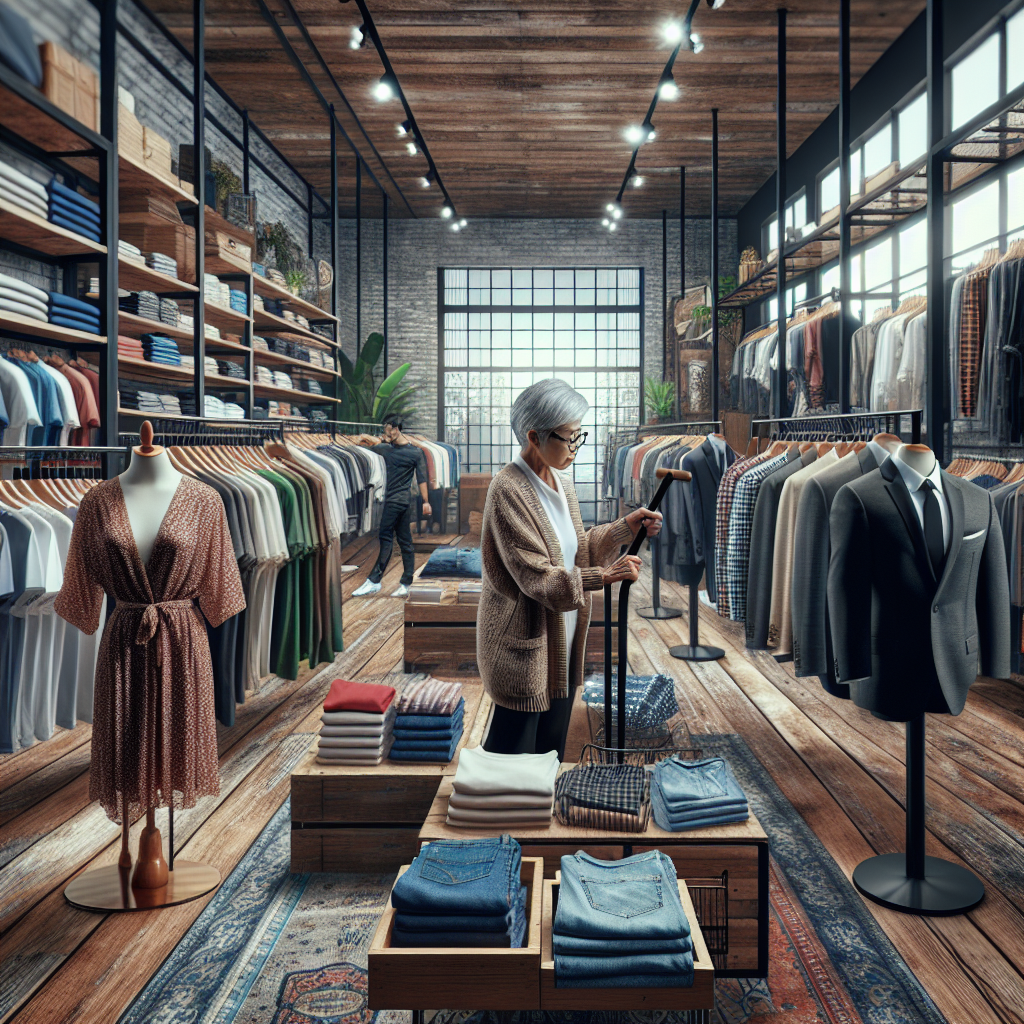
Modern Clothing Design Concepts
The evolution of fashion in recent years has transcended mere aesthetics; it has embraced ethics, sustainability, and technological innovation. Modern clothing design concepts center around the philosophy of creating garments that not only appeal visually but also uphold environmental integrity. Designers are leaning towards eco-friendly materials such as organic cotton, recycled polyester, and innovative fabrics sourced from nature, like Tencel and Piñatex.
Moreover, incorporating multifaceted functionalities is becoming paramount; garments that can seamlessly transition from day to night or serve multiple purposes are gaining traction. The minimalist approach is also on the rise, focusing on clean lines, neutral palettes, and timeless designs that defy seasonal trends.
In terms of cuts and silhouettes, oversized fits, asymmetrical designs, and layering techniques are prevalent. Gender-fluid fashion has also carved its niche, promoting inclusivity and challenging traditional notions of menswear and womenswear.
Clothing Ideas for Men
The modern man’s wardrobe is a tapestry of versatility and individual expression. Essential clothing ideas that define male fashion today include:
- Tailored Athleisure: Combining comfort with refinement, tailored joggers paired with a minimalist blazer offer a perfect blend of style and ease.
- Statement Outerwear: Invest in high-quality jackets, such as trench coats or oversized bomber jackets that can elevate any ensemble.
- Textured Fabrics: Experiment with fabrics like corduroy and suede, which add depth and interest while keeping your outfit season-appropriate.
- Layering: Mastering the art of layering can significantly enhance your outfit’s texture and dynamism. Think graphic tees under button-downs or light parkas over sweatshirts.
- Monochromatic Looks: Utilizing different shades of a singular color can create a chic and sophisticated vibe.
Streetwear & Casual Fashion
Streetwear encapsulates an urban aesthetic that thrives on individuality. Characterized by its blended influences from skate culture, punk, and hip-hop, streetwear has evolved into a dominant fashion genre that is often synonymous with comfort and creativity.
In 2026, casual outfits are increasingly leaning towards oversized silhouettes, bright colors, and bold graphics. Layering tees with long-sleeve shirts and accessorizing with bucket hats or crossbody bags creates a balanced look that celebrates self-expression.
Key components of streetwear include:
- Graphic Tees: Intriguing and thought-provoking statements or artworks are essential for showcasing personal style.
- Wide-Leg Pants: Serving as both comfortable and stylish, wide-leg trousers are a staple that pairs well with fitted tops.
- Sneakers: Statement sneakers remain crucial, often acting as the centerpiece of the outfit, with unique designs and eco-friendly materials.
Formal & Smart Clothing Styles
The concept of formal wear has been redefined to embody versatility and innovation. In 2026, suits are adapting to be more inclusive and stylish, featuring unusual colors and cuts that stray from traditional standards. The blend of classic tailoring with modern elements results in an intriguing array of styles that cater to the evolving workplace dynamics and social events.
Consider these elements for fresh formal wear:
- Tailored Sweatpants: These can provide a relaxed yet refined alternative to traditional trousers.
- Blazers with Soft Shoulders: Reducing the rigidness of typical blazers creates a more approachable look.
- Prints and Patterns: Incorporating plaid or monochrome patterns can add character to your formal wardrobe.
Sustainable & Smart Fashion
Sustainable fashion is not merely a trend; it’s a necessity. In the global quest for eco-friendliness, the fashion industry is witnessing a paradigm shift towards sustainability. Brands are increasingly adopting practices that minimize their environmental impact, from using organic materials to ensuring fair labor practices.
In addition to material sustainability, advancements in AI technology are playing a pivotal role in designing clothing that meets ecological standards. Offline fashion shows are giving way to digital runways driven by AI-generated designs that can predict trends and preferences, resulting in a more efficient production cycle.
Key points to consider for a sustainable wardrobe include:
- Buying Vintage or Second-hand: Embracing thrift shopping not only reduces waste but also cultivates unique wardrobe pieces.
- Support Sustainable Brands: Prioritize companies committed to ethical practices and sustainable production methods.
- Capsule Wardrobes: Curate a collection of timeless, versatile pieces that can be mixed and matched effortlessly.
How to Style & Build Outfits
Building a cohesive outfit involves understanding your unique style, body type, and occasion. Here’s how to master styling in 2026:
- Anchor with Basics: Start with essential wardrobe pieces like a classic white shirt or a well-fitted pair of jeans as your foundational elements.
- Color Coordination: Harmonize your outfit by choosing a color palette that complements your skin tone and personality.
- Accessorize Wisely: Select accessories that enhance your outfit’s personality without overpowering it—think elegant watches, multifaceted bags, or unique jewelry pieces.
- Experiment with Patterns: Layering different patterns can add intrigue; just ensure they share a common color scheme to maintain balance.
Common Fashion Mistakes to Avoid
Fashion is a canvas of self-expression, yet certain pitfalls can detract from your style. Here’s a list of common mistakes to sidestep:
- Ignoring Fit: Well-fitted clothes can elevate your appearance, while ill-fitting ones can diminish it.
- Over-Accessorizing: Be mindful of balance; less is often more when it comes to accessories.
- Sticking Rigidly to Trends: Ensure that you choose trends that resonate with your style instead of entirely abandoning your aesthetic.
- Neglecting Maintenance: Invest time in caring for your garments; proper cleaning and storage can prolong the life of your outfits.
FAQs
1. What are the most significant trends in sustainable fashion today?
The most significant trends include the use of sustainable materials, circular fashion practices, and technology like AI to promote eco-friendly production.
2. How can I identify sustainable fashion brands?
Look for certifications like Fair Trade or GOTS. Also, research a brand’s commitment to ethical sourcing and labor practices through their websites.
3. Can sustainable fashion be stylish?
Absolutely! Many sustainable brands create fashionable, high-quality pieces that prioritize both aesthetics and ethics.
4. How do I curate a capsule wardrobe?
Start with classic, versatile pieces that can mix and match. Aim for a balanced selection of tops, bottoms, outerwear, and shoes in neutral tones with a few statement pieces.
5. Are oversized fits still in style?
Yes, oversized fits continue to be a trend, blending comfort and style, especially in streetwear and casual fashion.
Conclusion
The landscape of fashion is constantly shifting, driven by a collective awakening towards sustainability, inclusivity, and creativity. As modern clothing trends continue to unfold, the synergy between aesthetics and ethics becomes ever more significant. Whether it’s through innovative fabrics, mindful consumption, or diversified wardrobe pieces, clothing stores are evolving to reflect a future where fashion does more than adorn the body—it nourishes the soul, celebrates individuality, and protects our planet. Embracing these concepts is not merely a trend; it’s a lifestyle shift that reshapes our relationship with fashion for the better.