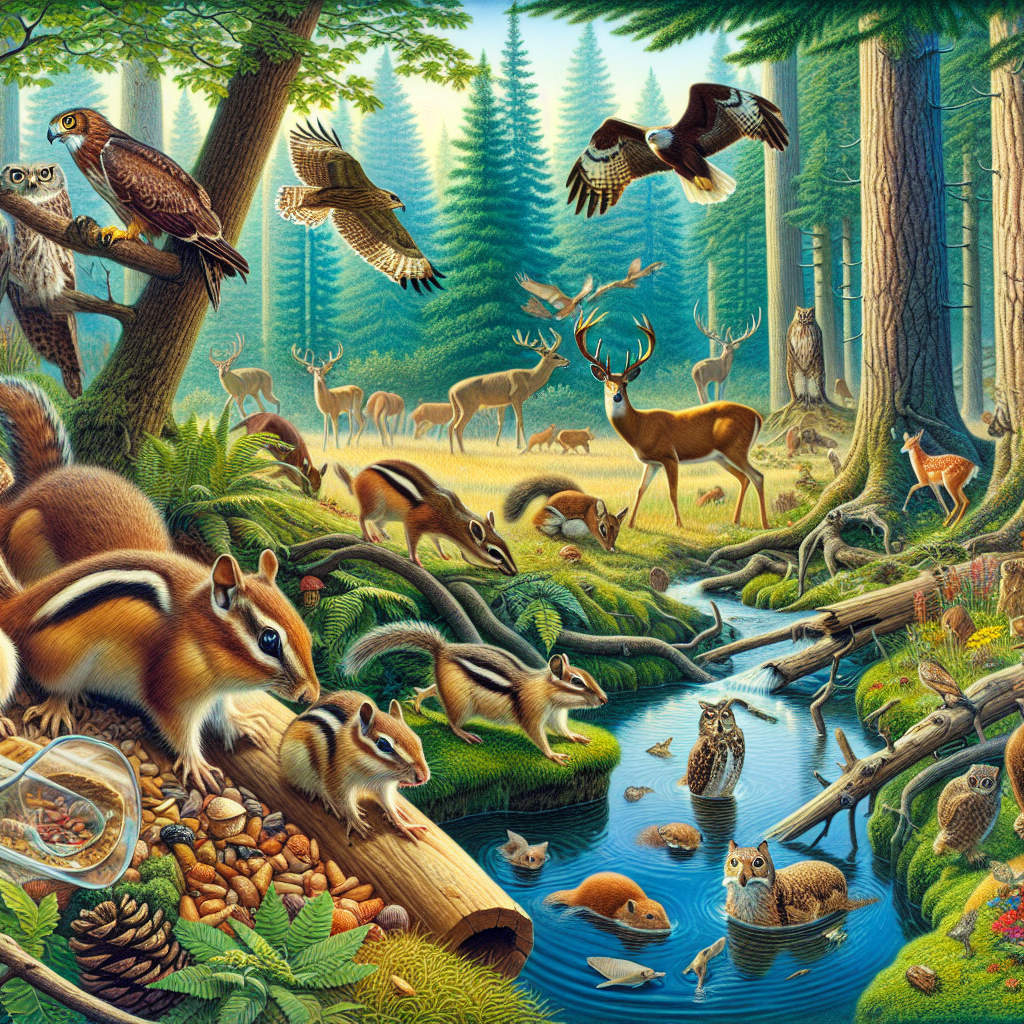
Amidst lush greenery and a breathtaking landscape, Tipai Wildlife Resort stands as a beacon of eco-friendly luxury, seamlessly blending comfort with a commitment to wildlife conservation and sustainability. Nestled in the heart of nature, this resort not only provides its guests with an opulent experience but also educates and inspires individuals about the importance of preserving our planet’s precious ecosystems. In this exploration, we delve into various aspects of wildlife conservation, the vital need for protecting endangered species, and how luxury can coexist with responsible stewardship of our natural world.
Endangered Species & Conservation Efforts
Across the globe, wildlife diversity is diminishing at an alarming rate, with numerous species facing the threat of extinction. Tipai Wildlife Resort actively participates in conservation efforts aimed at protecting these endangered species and their habitats. By collaborating with scientists and conservation organizations, the resort contributes to various projects that focus on both in-situ (in their natural habitat) and ex-situ (in protected environments) conservation efforts.
- Education and Awareness: The resort organizes workshops and guided tours, informing guests about the ecological and economic importance of biodiversity. These programs nurture a connection between visitors and the wildlife they encounter.
- Research Funding: A portion of the resort’s revenue is allocated to ongoing research projects aimed at studying endangered species, their behaviors, and the detrimental effects of human encroachment.
- Responsible Tourism: By promoting low-impact tourism and responsible travel practices, Tipai Wildlife Resort ensures that wildlife habitats remain undisturbed while generating income that benefits local communities.
Through these concerted efforts, the resort plays a crucial role in the fight to preserve endangered species such as the Bornean orangutan, the Sumatran tiger, and many others that are slowly fading from our planet.
Habitats & Ecosystems at Risk
The delicate balance of ecosystems is constantly under threat due to urban development, deforestation, and agriculture expansion. Tipai Wildlife Resort is strategically located near several critical habitats such as tropical rainforests, wetlands, and grasslands that house a myriad of flora and fauna. Each of these ecosystems is essential not only for wildlife but also for human survival.
- Tropical Rainforests: These biodiverse forests are home to thousands of animal and plant species, yet they are disappearing at an unprecedented rate due to logging and agriculture.
- Wetland Areas: Vital for breeding, feeding, and migrating birds, wetlands also play a significant role in regulating water supply and quality. Conserving these areas is imperative for maintaining ecological integrity.
- Grasslands: These regions support numerous herbivore species and are critical for the balance of the food web. Unfortunately, they are often converted into farmland, disrupting the natural habitat.
At Tipai Wildlife Resort, guests are encouraged to engage in conservation activities such as tree planting and local clean-up drives to help protect these vulnerable ecosystems. The resort’s initiatives aim to raise awareness about the consequences of habitat loss and the urgent need for restoration efforts.
Impact of Climate Change on Wildlife
Climate change presents one of the most significant threats to wildlife and their habitats. Shifts in temperature, unpredictable weather patterns, and habitat alterations due to global warming have far-reaching consequences on biodiversity. Species find it increasingly challenging to adapt to these rapid changes, leading to population decline and even extinction.
For instance, polar bears, which rely on sea ice to hunt seals, are witnessing a diminishing habitat as ice melts at an unprecedented rate. On the other hand, smaller habitats like wetlands may face drought-like conditions, affecting local biodiversity.
Tipai Wildlife Resort’s sustainability practices include minimizing carbon footprints through renewable energy sources and zero-emission transportation modes. By addressing climate issues head-on, the resort aids in creating a sanctuary where wildlife can thrive despite the challenges posed by climate change.
Technology & AI in Wildlife Protection
Advancements in technology and artificial intelligence (AI) play a pivotal role in wildlife conservation efforts. By integrating innovative solutions, the Tipai Wildlife Resort utilizes various technological tools that enhance wildlife protection and research.
- Camera Traps: These motion-sensor cameras are strategically placed throughout the resort’s property to monitor wildlife activities, allowing researchers to collect vital data about animal behaviors and population metrics.
- Drone Surveillance: Drones help in scouting hard-to-reach areas and can monitor wildlife movements without causing disturbances, giving conservationists a comprehensive understanding of ecosystem health.
- AI-Powered Data Analysis: Utilizing machine learning algorithms, conservationists can process large datasets to identify patterns, such as poaching activity or environmental changes, enabling quicker response strategies.
The incorporation of these technologies not only enhances research but also promotes public engagement, teaching guests the importance of innovation in wildlife conservation initiatives.
How Humans Can Protect Wildlife
The success of conservation efforts rests heavily on the actions of individuals. At Tipai Wildlife Resort, guests are educated about practical ways they can contribute to protecting wildlife both locally and globally:
- Be Informed: Individuals should stay educated on wildlife issues, supporting organizations that work towards conservation and sustainability.
- Advocate for Policies: Encouraging government policies that prioritize environmental protection can lead to systemic change that benefits wildlife.
- Choose Sustainable Practices: Opting for products and brands with eco-friendly practices can significantly reduce environmental harm.
- Participate in Conservation Efforts: Volunteering for conservation programs or supporting local initiatives fosters a direct impact on wildlife preservation.
Ultimately, community involvement is key to fostering a culture of coexistence between humans and wildlife, ensuring both can thrive symbiotically.
Common Threats to Wildlife
Despite global efforts of conservation, wildlife continues to face numerous threats. Some of the most prevalent issues include:
- Habitat Loss: Expanding urban areas and agricultural practices often lead to significant destruction of natural habitats, forcing wildlife into smaller and less viable areas.
- Climate Change: As noted earlier, climate change disrupts habitats and species’ migratory patterns, creating conditions that are often incompatible for survival.
- Pollution: Chemicals and plastics infiltrate ecosystems, causing detrimental effects on wildlife health and the overall environment.
- Poaching and Illegal Trade: The illegal wildlife trade remains rampant, threatening numerous species with extinction for their body parts and skins.
The need for immediate and collective action is vital in addressing these threats, reinforcing the idea that every small step counts in the greater scheme of wildlife conservation.
FAQs
Q1: What is the mission of Tipai Wildlife Resort?
The mission of Tipai Wildlife Resort is to provide a luxurious and sustainable retreat that promotes wildlife conservation, educates visitors, and actively participates in the protection of endangered species.
Q2: How can guests contribute to conservation during their stay?
Guests can engage in various activities, including guided wildlife tours, educational workshops, and participating in local community conservation projects.
Q3: What endangered species can be found near the resort?
Tipai Wildlife Resort is in proximity to several endangered species, including the Bornean orangutan and the Sumatran tiger, among others.
Q4: How does climate change affect local biodiversity?
Climate change can alter natural habitats, shift species distributions, and affect migration patterns, leading to population declines and potential extinction of vulnerable species.
Q5: What role does technology play in wildlife conservation?
Technology enhances wildlife monitoring and research through tools like AI, drones, and camera traps that provide invaluable data for conservation efforts.
Conclusion
Tipai Wildlife Resort is not only a luxurious getaway but a testament to the possibility of harmonizing opulence with conservation. Through embracing eco-friendly practices and advocating for wildlife protection, the resort inspires a new generation of nature lovers and responsible travelers. By fostering awareness and engagement, Tipai Wildlife Resort serves as a model for how humanity can coexist with the world’s beautiful wildlife. Together, through education, technology, and proactive measures, we can ensure that future generations inherit a world rich in biodiversity and natural beauty.