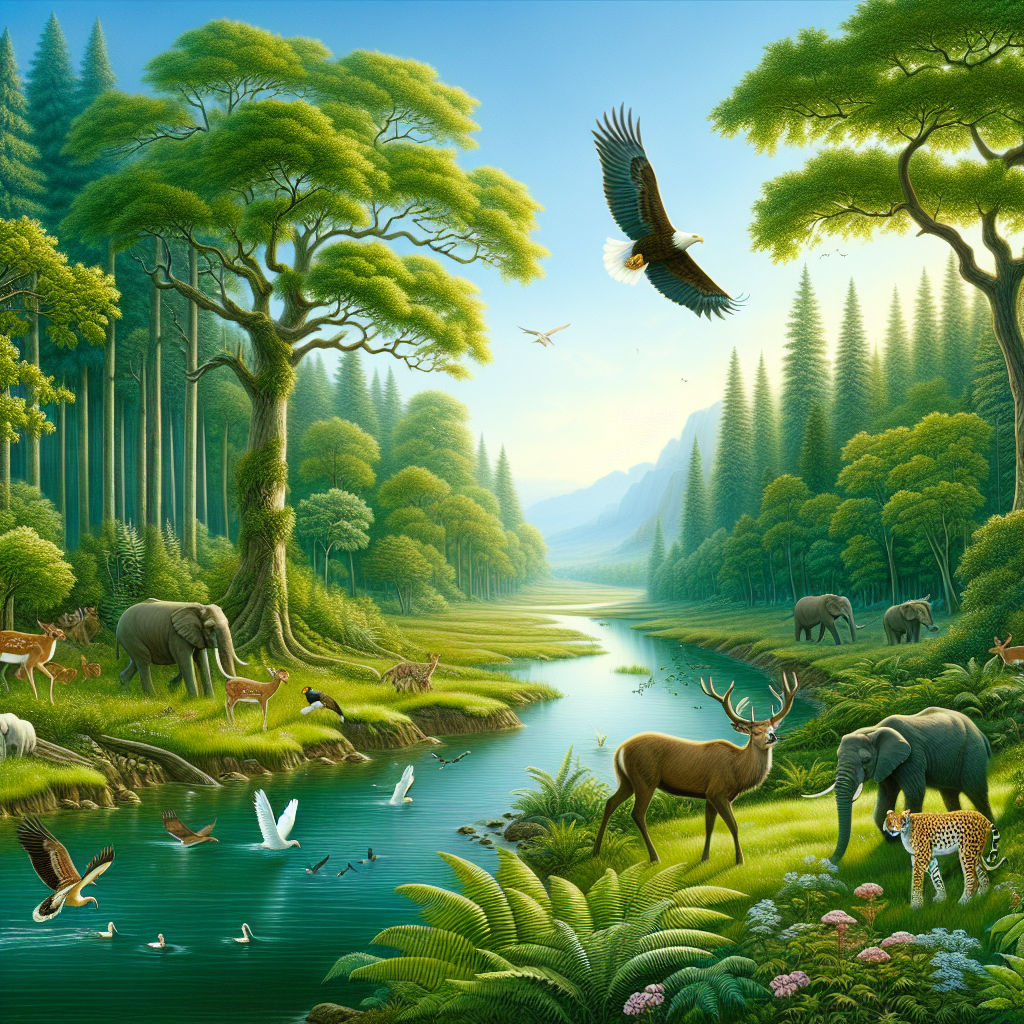
Endangered Species & Conservation Efforts
In the realm of wildlife photography, capturing the beauty and vulnerability of endangered species has become increasingly vital. Species such as the Amur Leopard and the Javan Rhino are not only fascinating subjects but also critical indicators of ecological health. Wildlife photographers are often the frontline ambassadors, bringing attention to these endangered species and fostering public interest in their conservation.
With a plethora of new technologies at their disposal, wildlife photographers can document the behaviors and habitats of endangered animals like never before. Drone technology, for instance, allows photographers to observe wildlife in hard-to-reach areas, capturing imagery that brings the magnificence of these creatures to the forefront of conservation discussions.
Conservation efforts are evolving, with innovative initiatives like camera traps being employed to monitor wildlife populations secretly. These traps have not only aided in identifying species at risk but have also created a rich database of animal behaviors, aiding conservationists in understanding their needs more effectively.
Habitats & Ecosystems at Risk
The survival of endangered species is intimately tied to their natural habitats. With habitats such as rainforests, wetlands, and coral reefs facing unprecedented threats from human activities, capturing these ecosystems through photography helps raise awareness of their plight. The visual storytelling enabled by modern technology can affect policy changes and advocacy for conservation.
Advanced photography techniques, including time-lapse and macro photography, have rejuvenated interest in the beauty and complexity of these ecosystems, revealing the intricate relationships that sustain them. For example, time-lapse photography can document seasonal changes in habitats, offering a compelling narrative about the urgency of their preservation.
- Deforestation – The destruction of forests affects countless species and contributes to climate change.
- Urban Development – Encroachment on natural habitats leads to fragmentation and loss of biodiversity.
- Pollution – Contaminants can devastate ecosystems, affecting both flora and fauna.
Photographers are now using their platforms to educate the public on the importance of preserving natural habitats. By illustrating the delicate balance of ecosystems, they inspire the next generation of conservationists and engage communities in habitat restoration efforts.
Impact of Climate Change on Wildlife
Climate change poses one of the most significant threats to wildlife in the 21st century, affecting migration patterns, breeding seasons, and habitat availability. Warmer temperatures and shifting weather patterns can lead to the depletion of food sources and change in critical habitats.
Wildlife photography plays a pivotal role in showcasing these environmental changes. Photographers are documenting the ramifications of climate change on species such as polar bears, which are increasingly losing their ice habitats, or coral reefs, which are suffering from bleaching due to rising ocean temperatures.
This visual documentation does more than capture images; it can influence policy by providing undeniable evidence of ecological change and sparking urgent conversations about climate action. The ability to share these compelling stories through social media platforms amplifies their reach, encouraging collective efforts for conservation.
Technology & AI in Wildlife Protection
Advancements in technology and artificial intelligence (AI) are revolutionizing wildlife protection strategies. Tools such as automated monitoring systems and AI-based analytics are becoming increasingly integral to conservation efforts. These technologies help analyze vast amounts of data on wildlife populations and their habitats, enabling conservationists to make informed decisions.
For example, AI can be used to recognize individual animals from camera trap images, providing a more accurate assessment of population dynamics. This kind of innovative application has led to improved tracking and monitoring of critically endangered species, ultimately enhancing preservation initiatives.
Moreover, wildlife photographers are often at the forefront of implementing these technologies. Many photographers collaborate with conservation organizations to create and optimize AI algorithms for recognizing and tracking wildlife. This collaboration helps bridge the gap between technology and conservation practices.
How Humans Can Protect Wildlife
Human involvement plays a crucial role in wildlife conservation. Understanding how to coexist with wildlife is essential for preserving biodiversity. Here are several actions humans can take to protect wildlife:
- Advocacy – Use photography and social media to advocate for conservation efforts and raise awareness about endangered species.
- Support Conservation Organizations – Join or donate to organizations that focus on wildlife protection and habitat preservation.
- Participate in Local Initiatives – Get involved in local efforts such as clean-ups and tree planting that focus on restoring natural habitats.
- Educate Others – Share knowledge about the importance of biodiversity and the threats wildlife face.
By taking such initiatives, humans can create a positive impact on wildlife preservation, contributing to a sustainable future where both humans and animals coexist harmoniously.
Common Threats to Wildlife
Despite our best efforts, wildlife faces numerous threats that hinder conservation endeavors. Understanding these threats is the first step toward effective action. Some common threats include:
- Habitat Loss – Urbanization, agricultural expansion, and logging are leading causes of habitat destruction.
- Illegal Poaching – The illegal wildlife trade poses a significant threat, particularly to species like rhinoceroses and elephants.
- Climate Change – Altered temperatures and weather patterns severely impact species survival.
- Invasive Species – Non-native species can disrupt local ecosystems, outcompeting native wildlife.
By focusing on these prevalent threats, conservationists strive to raise awareness and mobilize action to protect wildlife effectively.
FAQs
Q1: How can technology improve wildlife photography?
A1: Advanced camera equipment, drones, and AI algorithms enhance the ability to capture wildlife images, often yielding more informative and compelling photographs.
Q2: What is the significance of wildlife photography in conservation?
A2: Wildlife photography helps raise awareness about endangered species, fosters emotional connections with viewers, and aids in educating the public on conservation issues.
Q3: How does climate change impact wildlife?
A3: Climate change alters habitats, affects food availability, and disrupts migration patterns, threatening the survival of numerous species.
Q4: How can I help protect endangered species?
A4: You can support conservation organizations, participate in local initiatives, educate others, and advocate for policies that protect wildlife.
Q5: What role does AI play in wildlife conservation?
A5: AI helps monitor populations, analyze data, and track individual animals, improving conservation strategies through enhanced understanding of wildlife dynamics.
Conclusion
As we delve deeper into the intersection of technology and wildlife photography, it becomes evident that these tools are not merely enhancing our ability to capture the unseen but are also pivotal in conservation efforts. From documenting endangered species to illustrating the plight of ecosystems at risk, technology plays a transformative role in how we perceive and engage with wildlife.
Today, the responsibility lies with both wildlife photographers and general citizens alike to champion the cause of conservation. In a world facing daunting challenges, embracing innovative approaches alongside earnest action can help preserve the diverse tapestry of life on Earth for future generations.