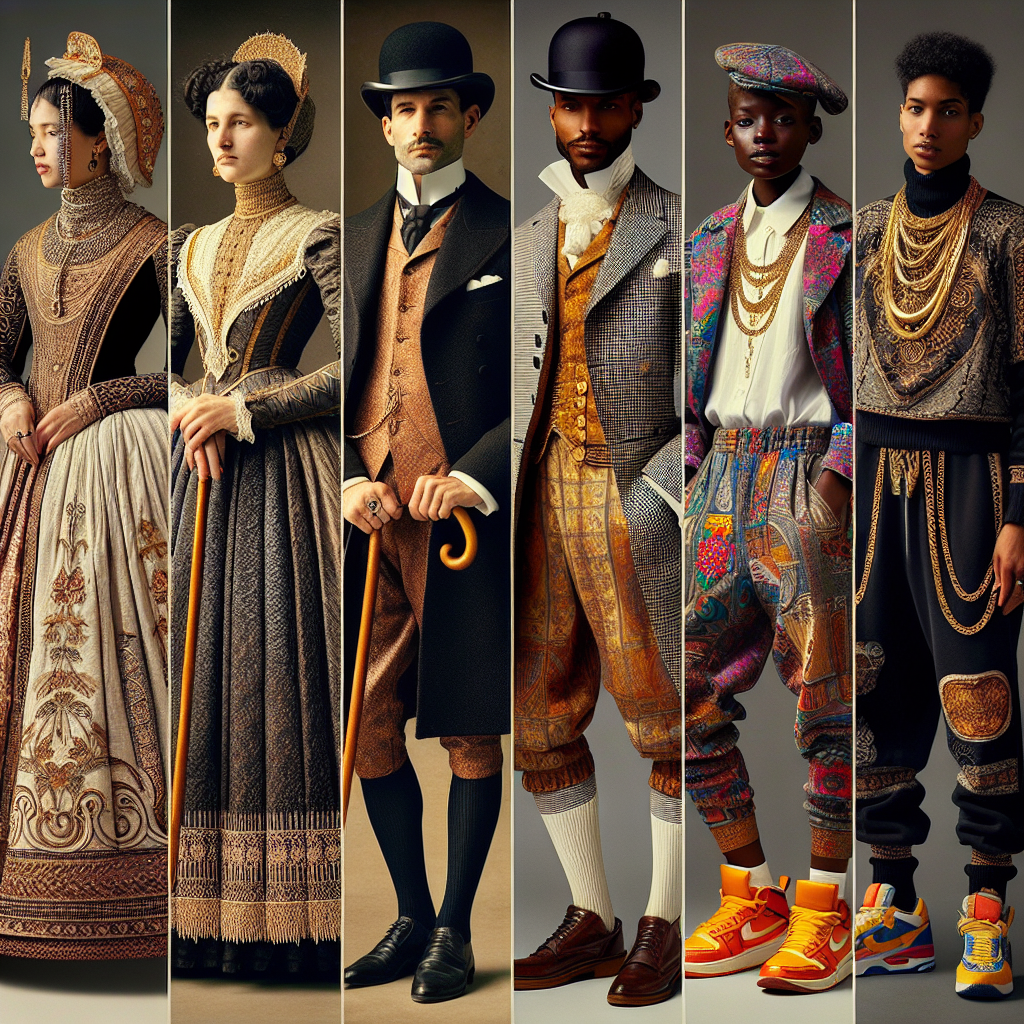
Modern Clothing Design Concepts
In the rapidly evolving landscape of fashion, modern clothing design embraces innovative concepts that harmonize style with environmental responsibility. Designers are increasingly exploring the use of regenerated materials, thrifted fabrics, and sustainable sourcing methods. This not only reduces waste but also breathes life into unique pieces that resonate with today’s environmentally conscious consumers.
A key trend amongst contemporary designers is the combination of cutting-edge technology with sustainable practices. AI-generated designs are emerging, allowing for precision in fit and style, which minimizes fabric waste—the result is garments that are both chic and eco-conscious.
Consider the integration of modular fashion—clothing items that can be assembled or disassembled into various configurations. This approach not only offers versatility but encourages a more sustainable wardrobe by extending the life of clothing items through their adaptability.
Clothing Ideas for Men
For ethical fashionistas, sustainable options abound in men’s fashion, ensuring that personal style and eco-consciousness go hand in hand. When selecting an outfit, focus on pieces that showcase sustainability without sacrificing style.
- The Eco-Friendly Suit: Opt for suits made from organic cotton or recycled polyester, ensuring both fit and comfort are paramount. Consider neutral colors such as navy or beige for versatility.
- Casual Knits: Look for sweaters crafted from sustainable materials such as Tencel or hemp. Cable-knit designs in earthy tones not only shout comfort but also style.
- Chic Workwear: High-quality chinos or trousers in organic cotton paired with recycled material shirts can elevate your work look while being mindful of your environmental footprint.
- Street Style Influence: Oversized jackets made from repurposed denim, complemented with sustainable sneakers, create a relaxed yet fashionable ensemble perfect for urban explorers.
Streetwear & Casual Fashion
Streetwear continues to redefine casual fashion, combining elements of comfort and urban culture. The current trend emphasizes individuality and personal expression, all while adopting sustainable practices that create a positive impact. Here’s how to embrace sustainability in streetwear:
- Sustainable Hoodies: Choose organic cotton or recycled polyester hoodies featuring bold graphics or minimalist designs. Pair them with joggers made from sustainable materials for a laid-back vibe.
- Upcycled Accessories: Fashionable accessories such as bags and caps made from upcycled materials can add flair to your outfit while promoting sustainability.
- Eco-Conscious Sneakers: Opt for brands utilizing vegan leather and natural rubber. These sneakers embody both style and eco-friendliness, making them perfect for street-inspired looks.
- Layering Pieces: Lightweight, versatile layers can help transition from day to night. Look for shirts with sustainable practices in their production, ensuring comfort without compromising style.
Formal & Smart Clothing Styles
In the realm of formal wear, sustainable options are becoming increasingly popular, marrying elegance with ethical manufacturing. Here are some key elements for creating sustainable formal outfits:
- Timeless Tailoring: Seek tailored suits made from natural fabrics like organic wool or linen, ensuring a refined appearance. Tailoring not only enhances fit but supports the longevity of garments.
- Accessorizing Ethically: Invest in classic, timeless accessories like wooden or recycled metal cufflinks and sustainably-sourced ties that can elevate your formal attire.
- Chic Footwear: Look for dress shoes crafted from vegan leather or recycled materials. These options provide sophistication without the ethical dilemma.
- Feminine Elegance: For women, sustainable cocktail or evening dresses made from organic silk or recycled fabric can offer a stunning option for formal occasions without compromising comfort or style.
Sustainable & Smart Fashion
The intersection of technology and fashion is bringing forth a new frontier in sustainable fashion. Phase-out from traditional textiles to smart fabrics is gaining traction. Here are ways to experience sustainable smart fashion:
- Smart Textiles: Fabrics that can monitor body temperature or adapt to moisture are being developed, offering personalized comfort while minimizing waste.
- 3D Printing: Innovative design methods such as 3D printing allow for on-demand production, drastically reducing inventory waste and resource use.
- Smart Wardrobes: Apps that AI-driven wardrobe management help consumers mix and match outfits efficiently, promoting the idea of ‘buy less, choose wisely’—a mantra that resonates with sustainability.
How to Style & Build Outfits
Styling sustainable outfits requires creativity and intention. Here are some tips to effortlessly create chic ensembles:
- Statement Pieces: Start with a standout item—this could be an eco-friendly blazer or a bold print dress. Build the rest of the outfit around it.
- Mix & Match: Pair contrasting textures—such as a rough-hewn knit with a smooth fabric—to add dimension and intrigue to your outfit.
- Layer Wisely: Use layers to create depth and interest. A long cardigan over a fitted dress can transform your look from casual to polished in a heartbeat.
- Color Coordination: Choose a color palette that complements your outfit and reflects your personality. Earth tones, pastels, and vibrant hues can convey different moods and styles.
- Accessorize Thoughtfully: Sustainably sourced accessories can elevate your outfit while promoting eco-conscious choices. Consider interchangeable pieces that allow for varied styling options.
Common Fashion Mistakes to Avoid
As the sustainable fashion movement blossoms, it’s essential to navigate it wisely. Here are some pitfalls to avoid:
- Ignoring Fabric Content: Not all fabrics marketed as ‘sustainable’ are truly eco-friendly. Always check materials to ensure they align with sustainability values.
- Overlooking Fit: A well-fitted garment looks better, lasts longer, and promotes confidence. Avoid the assumption that sustainable fashion sacrifices fit for purpose.
- Neglecting Versatility: Aim for pieces that can be styled in multiple ways. Avoid one-off items that limit your outfit options.
- Following Trends Blindly: Fast fashion trends come and go. Instead, focus on timeless styles that can be worn for various occasions.
- Underestimating Care Instructions: Sustainable garments require proper care to extend their lifespan. Pay attention to washing and drying instructions to keep your wardrobe in tip-top shape.
FAQs
Q1: What defines sustainable fashion?
A1: Sustainable fashion is characterized by environmentally friendly practices in production, material sourcing, and ethical labor, aiming to minimize the fashion industry’s impact on the planet.
Q2: How can I identify sustainable brands?
A2: Look for certifications such as GOTS (Global Organic Textile Standard) and OEKO-TEX, transparency regarding sourcing, and brands that emphasize ethical manufacturing practices.
Q3: Are sustainable clothes more expensive?
A3: While the upfront cost may be higher due to ethically sourced materials and labor, sustainable clothing often proves a cost-effective investment due to its durability and timeless appeal.
Q4: Can I be fashionable and sustainable at the same time?
A4: Absolutely! Sustainable fashion offers a wealth of stylish options that promote eco-conscience without sacrificing aesthetic quality.
Q5: How can I recycle or upcycle my old clothes?
A5: Consider donating, swapping, or repurposing items into new products. DIY projects, such as turning jeans into bags, provide creative ways to extend the life of garments.
Conclusion
The realm of sustainable fashion is vibrant and full of possibilities, allowing ethical fashionistas to express their uniqueness while making environmentally sound choices. By embracing modern clothing trends, innovative materials, and upcycling techniques, we can create a wardrobe that reflects both our style and values. Continuously educating ourselves and supporting sustainable brands will drive this movement forward, ensuring that chic fashion remains synonymous with sustainability. Remember, every small choice counts in creating a greener planet through fashion.