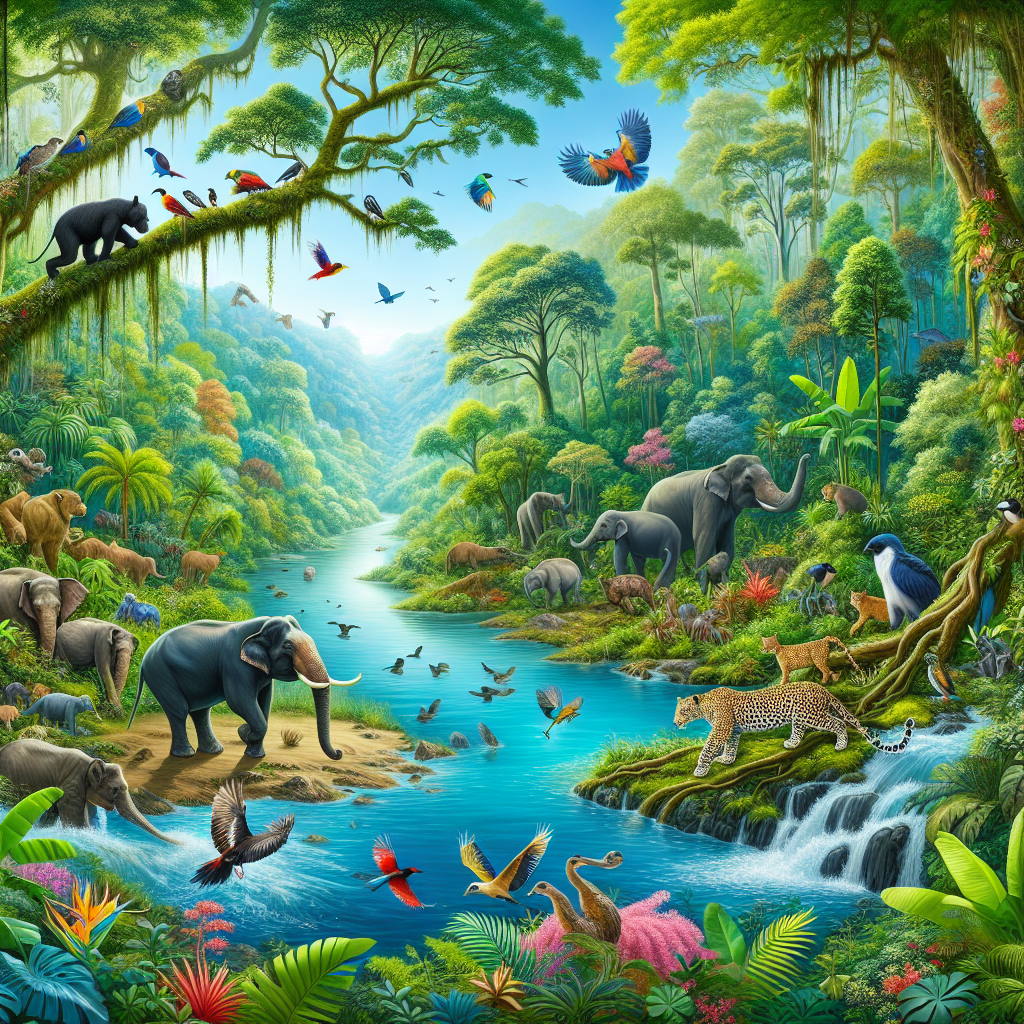
Endangered Species & Conservation Efforts
In recent years, wildlife photography has transcended being merely a means of artistic expression; it has become a critical tool for conservation efforts. By capturing stunning imagery of endangered species, photographers play a pivotal role in raising awareness and inspiring action. For example, renowned photographers like Joel Sartore have created projects that highlight endangered species through visual storytelling. These images don’t just serve aesthetic purposes; they tell compelling narratives that engage the public and encourage support for conservation initiatives.
The plight of species such as the Amur leopard, the vaquita porpoise, and the Javan rhino underscores the urgent need for conservation. Various organizations worldwide have committed to protecting these species through habitat preservation, anti-poaching measures, and community education. For example, the World Wildlife Fund (WWF) employs a combination of on-the-ground efforts and technology to protect these vulnerable populations. Photographers contribute to these projects by documenting not only the species but also the communities that live alongside them, fostering a connection that is paramount for effective conservation.
Habitats & Ecosystems at Risk
Wildlife does not exist in isolation; rather, it thrives within ecosystems teeming with interconnected life. Unfortunately, habitats are increasingly threatened by human activities such as deforestation, urban expansion, and industrial agriculture. The Amazon rainforest, for instance, is a biodiversity hotspot that faces relentless destruction, impacting the countless species that depend on it.
Creative approaches in wildlife photography can shine a light on these critical habitats. Photographers can highlight the beauty of ecosystems — from the wetlands of the Pantanal in Brazil to the coral reefs of the Great Barrier Reef — to emphasize their fragility. By telling the stories of these ecosystems, photographers can advocate for protective measures, encouraging sustainable practices and policies. National parks and wildlife sanctuaries also become subjects of focal point photography, showing nature’s beauty while illustrating the urgent need for their protection.
Impact of Climate Change on Wildlife
As the planet warms, the implications for wildlife are dire and multifaceted. Climate change leads to habitat loss, altered migration patterns, and shifts in breeding seasons, affecting not only individual species but entire ecosystems. For instance, polar bears are struggling as ice caps melt, leading to decreased hunting grounds. Similarly, coral bleaching linked to rising sea temperatures poses an existential threat to marine life.
Wildlife photographers can document these changes effectively by focusing on the juxtaposition of thriving habitats against the backdrop of climate change effects. Capturing images of damaged ecosystems can drive home the message about the urgent need for climate action. For example, feature-rich projects that compare historical images of coral reefs with current, bleached conditions can be instrumental in educating the public and policymakers alike.
Technology & AI in Wildlife Protection
The integration of technology and artificial intelligence (AI) into wildlife conservation efforts represents a revolutionary step towards effective protection strategies. Cameras equipped with AI can monitor wildlife populations in real-time, identifying trends and potential threats with unprecedented accuracy. Conservationists utilize drone technology to survey large areas, allowing them to safely observe and protect endangered species and their habitats without disturbing their natural behaviors.
Photographers can also leverage this technology, using AI-enhanced cameras to assist them in capturing elusive wildlife in their natural habitats. The marriage of art and technology can yield stunning visuals that humanize the struggles of these creatures while simultaneously supporting conservation efforts. Moreover, the use of high-quality visuals in reports, awareness campaigns, and social media can foster greater public engagement, driving fundraising and volunteer efforts.
How Humans Can Protect Wildlife
The role of individuals in wildlife protection cannot be overstated. Everyone can contribute to conservation efforts in meaningful ways. Simple actions, such as reducing plastic use, supporting ethical tourism, and advocating for wildlife-friendly policies, can collectively make a significant impact.
Citizen science initiatives offer another avenue for involvement. Many organizations encourage individuals to participate in wildlife monitoring projects, which can range from bird counting in local parks to reporting sightings of endangered species. Engagement at the community level can lead to substantial momentum for conservation initiatives.
Fundamentally, fostering a connection between humans and wildlife through photography can create a deeper understanding and appreciation of nature. Educational efforts, particularly among younger generations, can instill values that prioritize coexistence and ecological stewardship moving forward.
Common Threats to Wildlife
A range of threats continues to jeopardize wildlife, culminating in the rapid decline of biodiversity. These threats include:
- Habitat Loss: Urban development, agriculture, and deforestation lead to the displacement of countless species.
- Pollution: Chemicals and waste can contaminate crucial habitats, hindering the survival of numerous organisms.
- Poaching: Illegal hunting often targets high-value species, driving them closer to extinction.
- Invasive Species: Non-native species can disrupt local ecosystems and outcompete indigenous wildlife.
- Climate Change: As discussed, this multifaceted threat alters every aspect of wildlife life, from habitats to migration patterns.
Photographers can play a critical advocacy role by using their platforms to highlight these threats. Through powerful imagery that evokes emotion and urgency, they can mobilize audiences to support conservation efforts and engage in meaningful dialogue about the need for sustainable living practices.
FAQs
What are some effective ways to practice wildlife photography ethically?
When photographing wildlife, always respect their space. Use long lenses to maintain distance, avoid disrupting their natural behaviors, and never encroach on protected areas.
How can photography influence wildlife conservation efforts?
Photography can create a visceral connection to wildlife issues, turning abstract concerns into tangible realities. Powerful images often rally public support and can lead to increased donations and policy changes.
What is the role of social media in wildlife conservation?
Social media serves as a platform for spreading awareness. Photographers can share impactful images widely, educate their audiences, and promote conservation initiatives at a grassroots level.
How can individuals contribute to wildlife conservation?
Individuals can contribute through responsible consumer choices, volunteering with conservation organizations, supporting sustainable tourism, and participating in citizen science initiatives.
Why is it important to focus on endangered species?
Endangered species often serve as indicators of broader environmental health. Protecting them helps to preserve entire ecosystems, ensuring the continued diversity of life on our planet.
Conclusion
Wildlife photography is more than an artistic pursuit; it is a powerful means of advocating for conservation and understanding the intricate web of life. As we face an era defined by rapid change and mounting challenges, creative approaches in wildlife photography hold potential to inspire and mobilize action that can lead to meaningful change. By documenting endangered species, highlighting at-risk habitats, and utilizing cutting-edge technology, photographers and conservationists alike can work in synergy to forge a future where humans and wildlife coexist harmoniously. The journey to unleash creativity in wildlife photography is also a journey toward environmental stewardship, emphasizing the vital connection we hold with the natural world.