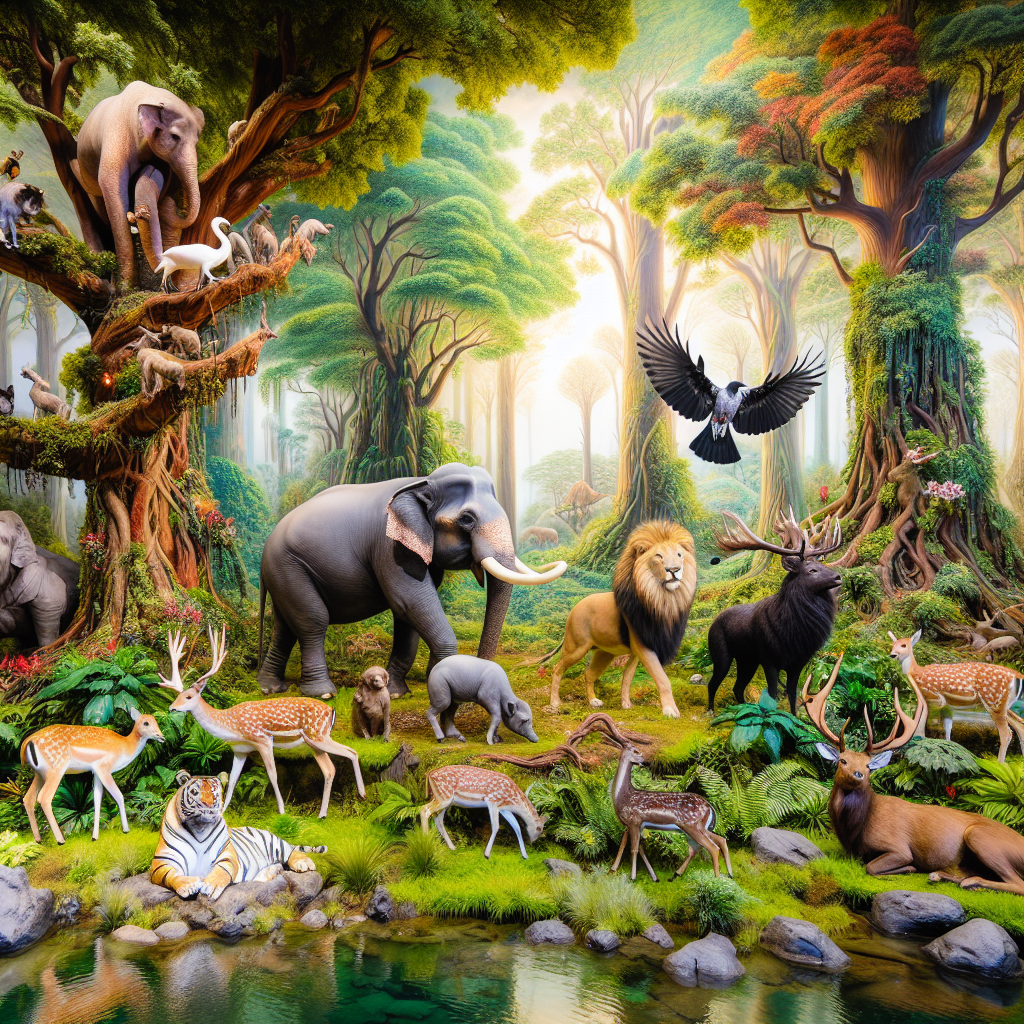
Across the globe, numerous species teeter on the brink of extinction, largely due to human activities and the persistent threat of climate change. This article aims to shed light on the world’s rarest animals and the significant efforts made to conserve them. In a world where biodiversity is rapidly diminishing, understanding the plight of these animals is crucial for fostering a more sustainable coexistence between humans and wildlife.
Endangered Species & Conservation Efforts
Endangered species are defined as those at risk of extinction in the near future. The International Union for Conservation of Nature (IUCN) employs a Red List to categorize these species based on their conservation status. Currently, over 28,000 species are listed as threatened, with many facing an imminent risk of disappearing.
Efforts to conserve these species are multifaceted, involving habitat restoration, legal protections, and community engagement. National parks and reserves play a pivotal role in these conservation strategies, ensuring that ecosystems are preserved and protected from human encroachment.
- Habitat Restoration: Many endangered species depend on specific ecosystems for survival. Restoration efforts focus on rehabilitating these habitats to support the flora and fauna that thrive within them.
- Legal Protections: Laws such as the Endangered Species Act in the United States provide a framework to protect species and their habitats from exploitation.
- Community Engagement: Educating local populations about the intrinsic value of wildlife fosters conservation efforts. When communities see the benefits of preserving wildlife—such as ecotourism—they are more likely to become active participants in conservation.
Initiatives like captive breeding programs, where endangered species are bred in controlled environments to increase their population, also provide a lifeline for many species. The California condor, for instance, has seen a remarkable recovery thanks to such programs.
Habitats & Ecosystems at Risk
Natural habitats are the foundation for all animal life. However, many crucial ecosystems are under threat from human activities such as deforestation, urbanization, and pollution. Forests, wetlands, grasslands, and coral reefs are not just home to numerous species; they also play a critical role in climate regulation and the overall health of our planet.
For example, deforestation in the Amazon rainforest not only affects the diverse species that depend on its ecosystems but also contributes to global carbon emissions, exacerbating climate change. Similarly, the degradation of coral reefs endangers marine biodiversity while reducing coastal protection against storms.
Preserving these habitats requires international cooperation and long-term commitment, as ecosystems do not adhere to political boundaries. Sustainable practices such as agroforestry and responsible tourism can mitigate some impacts on these vital habitats.
Impact of Climate Change on Wildlife
Climate change represents one of the most pressing challenges for wildlife conservation today. Rising temperatures, altered precipitation patterns, and increased frequency of extreme weather events are affecting species and their habitats globally.
Many species are forced to migrate in search of suitable environments to thrive. Polar bears in the Arctic face diminishing sea ice, threatening their ability to hunt seals, their primary food source. Similarly, coral reefs, which host diverse marine life, are experiencing bleaching due to rising ocean temperatures and acidity.
Adaptation strategies are critical for wildlife in the face of these changes. Some species may evolve to cope with new conditions, whereas others may require active assistance through conservation efforts. The establishment of wildlife corridors can facilitate migration and help maintain genetic diversity amidst climatic shifts.
Technology & AI in Wildlife Protection
As technology advances, so too do the methods available for wildlife protection. Innovations such as drones, camera traps, and artificial intelligence (AI) are revolutionizing conservation work.
Drones provide an aerial perspective, allowing conservationists to monitor vast and often inaccessible areas for illegal poaching and deforestation. Camera traps help scientists gather data on wildlife presence and behavior without human intrusion.
AI is increasingly utilized in data analysis, enhancing the ability to predict and mitigate potential threats to endangered species. Machine learning algorithms can analyze patterns in poaching incidents, leading to more effective deployment of anti-poaching resources.
Furthermore, mobile apps aimed at citizen scientists encourage public participation in wildlife monitoring, allowing anyone to contribute data that aids in conservation.
How Humans Can Protect Wildlife
Protecting wildlife is not solely the responsibility of governments and organizations; individuals can play a crucial role. Simple everyday actions can collectively make a significant difference in the conservation of endangered species.
- Support Conservation Organizations: Donating to or volunteering for organizations that focus on wildlife protection can greatly enhance their efforts.
- Reduce Your Ecological Footprint: Adopting sustainable practices in daily life—such as minimizing plastic use, choosing sustainable products, and conserving water—can help protect habitats.
- Educate Others: Raising awareness about the plight of endangered species can inspire friends and family to take conservation actions themselves.
- Responsible Tourism: Engaging in ecotourism promotes conservation while providing economic benefits to local communities.
Common Threats to Wildlife
Understanding the threats to wildlife is essential for effective conservation strategies. The most significant threats include:
- Habitat Destruction: Deforestation, urbanization, and agricultural expansion lead to a loss of critical habitats.
- Poaching and Illegal Wildlife Trade: Many endangered species are targeted for their valuable parts, such as ivory, fur, and traditional medicine.
- Pollution: Chemical pollutants, plastics, and waste harm ecosystems and the species that inhabit them.
- Climate Change: Changes in climate disrupt breeding, feeding, and migratory patterns, leading to population declines.
FAQs
What is the most endangered animal in the world?
The Amur leopard is often cited as the most endangered animal, with fewer than 100 individuals remaining in the wild.
What role do national parks play in wildlife conservation?
National parks protect critical habitats by providing legal sanctuaries for wildlife, where human activities are restricted or managed to minimize impact.
How can climate change impact marine life?
Climate change can lead to ocean acidification and coral bleaching, endangering marine biodiversity and disrupting food chains.
What technologies are being used for wildlife protection?
Drones, AI for data analysis, camera traps, and mobile applications for citizen science are being harnessed for effective wildlife management and protection.
What can individuals do to help endangered species?
Individuals can support conservation efforts, reduce their ecological footprint, raise awareness, and choose responsible tourism options.
Conclusion
The fate of rare and endangered species hangs by a thread, intricately linked to the health of our ecosystems and the actions of humankind. Through concerted conservation efforts, technological advancements, and individual commitment, it is possible to turn the tide and protect the world’s most vulnerable species. As we work towards fostering a more harmonious coexistence with nature, we must remain vigilant, educate ourselves and others, and advocate for the preservation of our planet’s extraordinary biodiversity. The time to act is now—each species we save can help ensure a richer, more diverse future for all life on Earth.