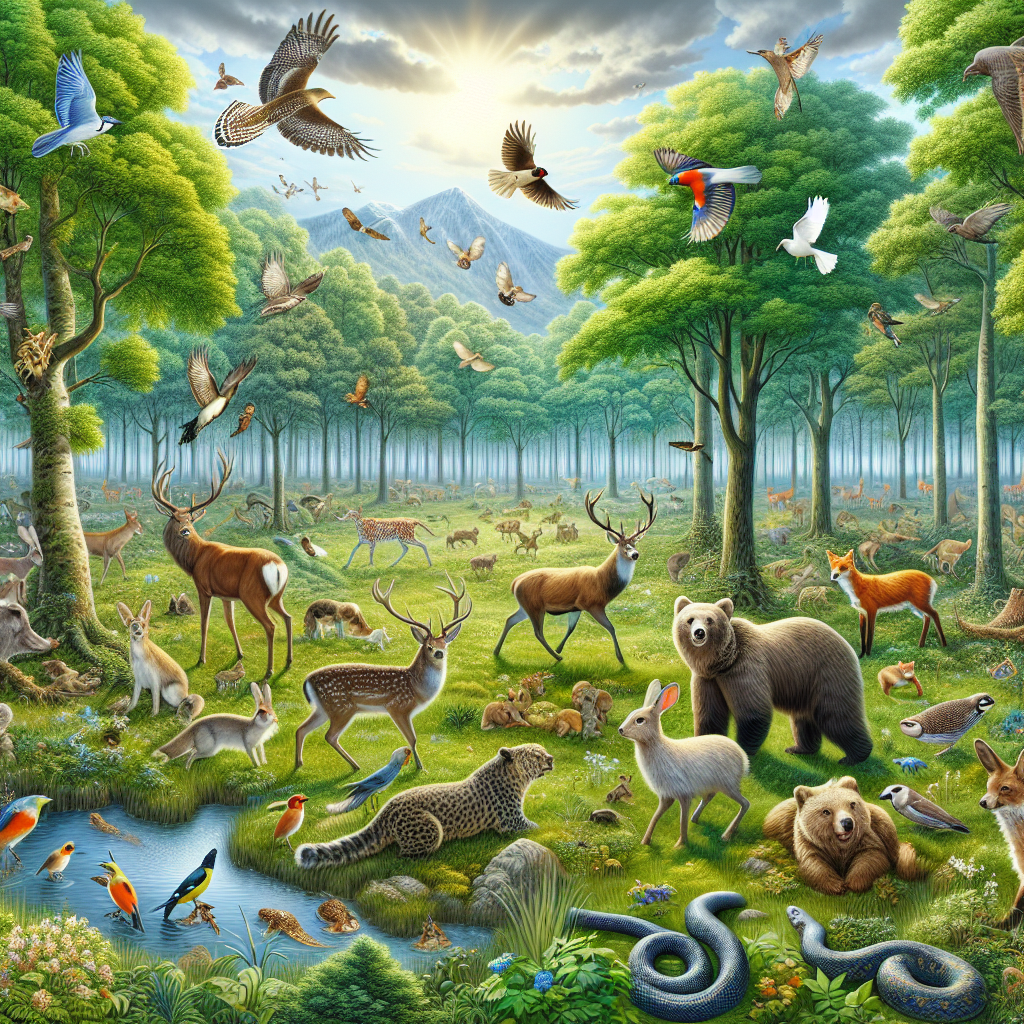
Introduction to Wildlife Photography
Wildlife photography is a powerful medium that captures the essence of nature, bringing attention to the beauty and complexity of wildlife. For beginners keen on this art form, it’s crucial to recognize the significant overlap between photography and wildlife conservation. Understanding endangered species, their habitats, and ecosystems, alongside the effects of climate change, is vital for any aspiring wildlife photographer. This guide will help you navigate the intricacies of wildlife photography while fostering a deeper appreciation for the environment and the creatures inhabiting it.
Endangered Species & Conservation Efforts
Every year, numerous species face the threat of extinction due to habitat loss, climate change, and human activity. The International Union for Conservation of Nature (IUCN) monitors these species and provides a comprehensive list highlighting their conservation statuses. Engaging in wildlife photography can not only document these endangered species but also play a significant role in their conservation.
By showcasing the beauty of endangered species like the snow leopard, Amur leopard, or the Vaquita porpoise, photographers help raise awareness about their plight. Visual storytelling can mobilize the public and attract support for conservation organizations actively working towards habitat restoration and species protection. Here are some notable conservation efforts:
- The World Wildlife Fund (WWF): Advocates for sustainable practices while protecting species and their habitats.
- The Nature Conservancy: Works to protect ecologically important lands and waters for nature and people.
- Conservation International: Promotes science, partnerships, and policy to protect biodiversity.
Habitats & Ecosystems at Risk
Every animal species is intricately linked to its habitat—the broader ecosystem that sustains its life. Unfortunately, various habitats are at risk due to economic development, climate change, and unsustainable human practices. As a wildlife photographer, understanding these ecosystems enhances your photography and deepens your connection to the world around you.
Some critical ecosystems under threat include:
- Tropical Rainforests: Home to 50% of the world’s plant and animal species, these forests face extensive deforestation.
- Coral Reefs: Known for their biodiversity, they are threatened by rising sea temperatures and ocean acidification.
- Wetlands: Vital for biodiversity and climate regulation, wetlands are being drained and filled for agriculture and urban development.
Wildlife photographers play a pivotal role in bringing attention to these ecosystems, ultimately driving public policy and funding towards their preservation.
Impact of Climate Change on Wildlife
The effects of climate change are becoming more pronounced, significantly impacting biodiversity. As temperatures rise and weather patterns shift, many species struggle to adapt to rapidly changing environments. Some might migrate to cooler areas, while others face the risk of extinction.
Key impacts of climate change on wildlife include:
- Shrinking Habitats: As glaciers melt and sea levels rise, many species lose their natural habitats.
- Altered Migration Patterns: Changes in climate affect food availability, prompting shifts in migratory routes for many birds and mammals.
- Increased Frequency of Extreme Weather Events: Natural disasters such as floods and hurricanes disrupt animal populations and their habitats.
By documenting these changes through photography, you can illustrate the urgent need for conservation efforts that mitigate climate impacts on wildlife.
Technology & AI in Wildlife Protection
As we navigate the 21st century, technology plays an increasingly pivotal role in wildlife conservation. Drones, camera traps, and Artificial Intelligence (AI) systems are revolutionizing environmental monitoring and wildlife protection efforts.
For instance, drones facilitate the tracking of endangered species in hard-to-reach areas, while AI-powered tools help analyze vast amounts of data from camera traps, allowing researchers to monitor wildlife populations effectively. Here are a few applications:
- Automated Sound Recognition: AI can analyze audio recordings from natural habitats to detect species based on their calls.
- Wildlife Tracking Collars: GPS collars track movements, enabling researchers to study migration patterns and habitat usage.
- Camera Traps: Automated cameras capture images of wildlife in their natural behavior, providing insights into species interactions and population numbers.
As a wildlife photographer, integrating technology can enhance your workflow, improve the quality of your work, and contribute to ongoing conservation efforts.
How Humans Can Protect Wildlife
While wildlife conservation can seem daunting, ordinary people can take several significant steps to assist in the mission of protecting wildlife. As a photographer, your work can inspire action among your audience.
Here are effective means to contribute to wildlife protection:
- Support Conservation Organizations: Donate to or volunteer with organizations focused on wildlife preservation and habitat protection.
- Promote Sustainable Practices: Advocate for sustainable habits, such as reducing plastic use and promoting renewable energy sources.
- Practice Responsible Photography: Respect wildlife by maintaining a safe distance and adhering to regulations in protected areas.
Common Threats to Wildlife
Understanding the threats facing wildlife is critical for effective conservation. Here are some prevalent issues endangering wildlife populations and their habitats:
- Habitat Loss: Urbanization, agriculture, and deforestation lead to critical loss of habitats.
- Pollution: Chemicals and plastics enter ecosystems, harming wildlife and disrupting food chains.
- Poaching: Illegal hunting significantly impacts various species, pushing them closer to extinction.
As a wildlife photographer, shedding light on these threats through your imagery can facilitate public conversations and spur action towards protective measures.
FAQs
What equipment do I need to start wildlife photography?
Invest in a DSLR or mirrorless camera with a long lens (300mm or more). A sturdy tripod, binoculars, and various lenses can also enhance your experience.
How can I find wildlife to photograph?
Research national parks, wildlife reserves, and local habitats. Engage with conservation groups for organized wildlife tours and photography workshops.
Should I have prior photography experience before starting wildlife photography?
While prior experience can be beneficial, it is not strictly necessary. Basic photography skills can be learned through online resources, workshops, and field practice.
What is ethical wildlife photography?
Ethical wildlife photography prioritizes animal welfare and habitat preservation. Maintain a respectful distance, avoid disrupting behavior, and follow guidelines laid out in protected areas.
How can my photography help wildlife conservation?
Your images can raise awareness and support for wildlife conservation initiatives. By showcasing endangered species and vulnerable ecosystems, you can inspire others to take action.
Conclusion
Wildlife photography is not just an artistic endeavor; it is a potent tool for conservation awareness and action. As you venture into this rewarding field, consider your role in highlighting the challenges and beauty of wildlife. By understanding endangered species, ecosystems at risk, and the impacts of climate change, you can enrich your photography and contribute to the vital cause of wildlife conservation. Embrace technology, engage with local conservation efforts, and inspire awareness through your unique photographic lens. Together, we can ensure that future generations get to experience the incredible diversity of life on this planet.